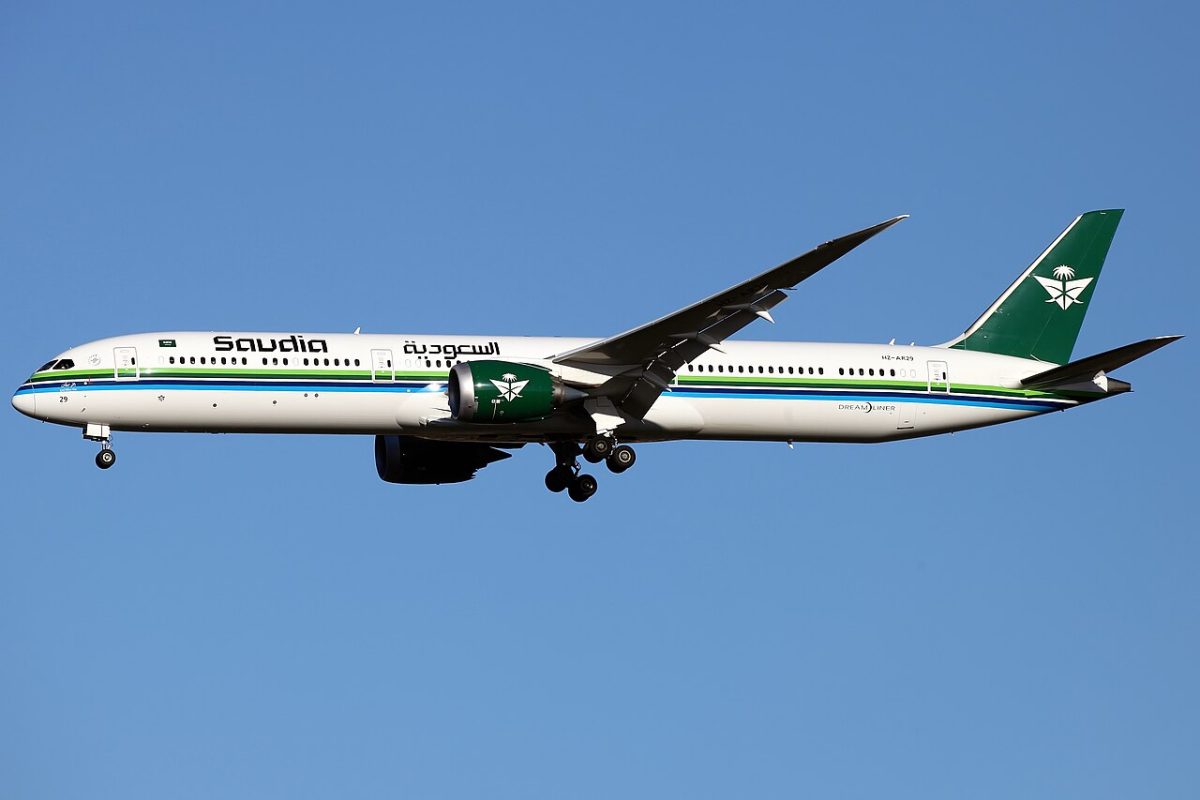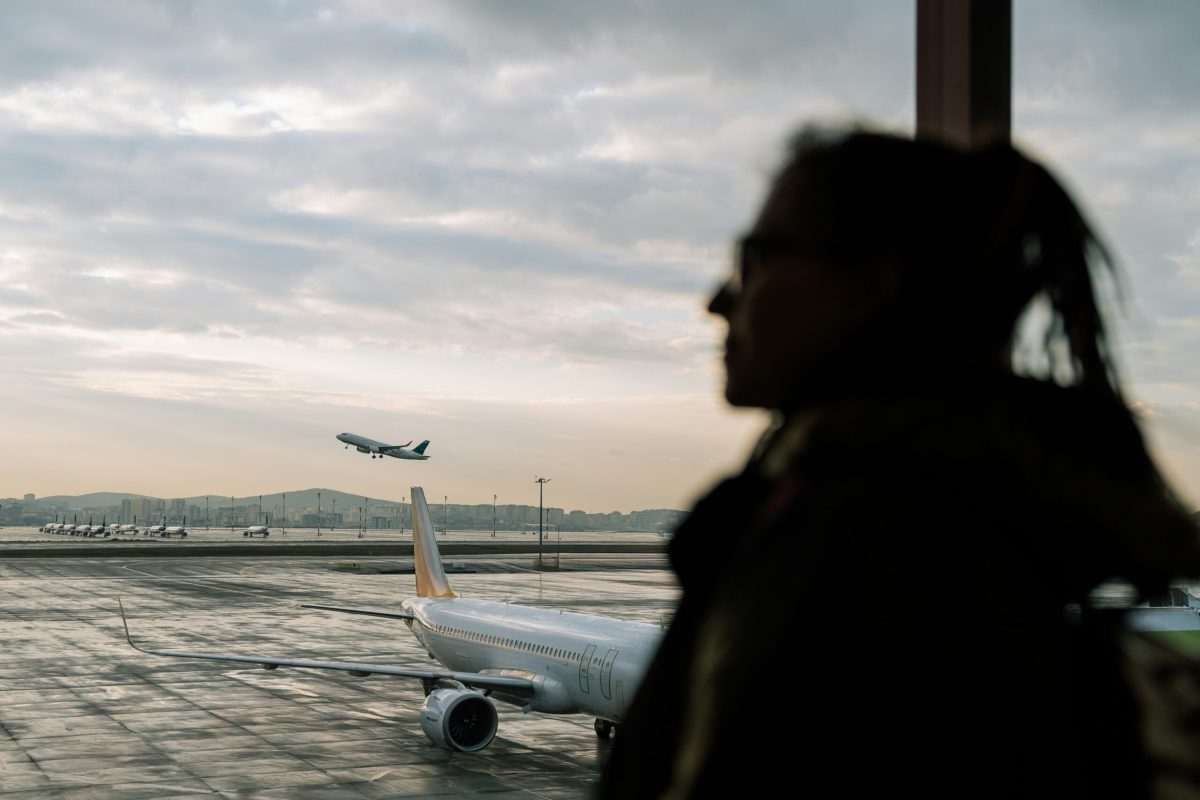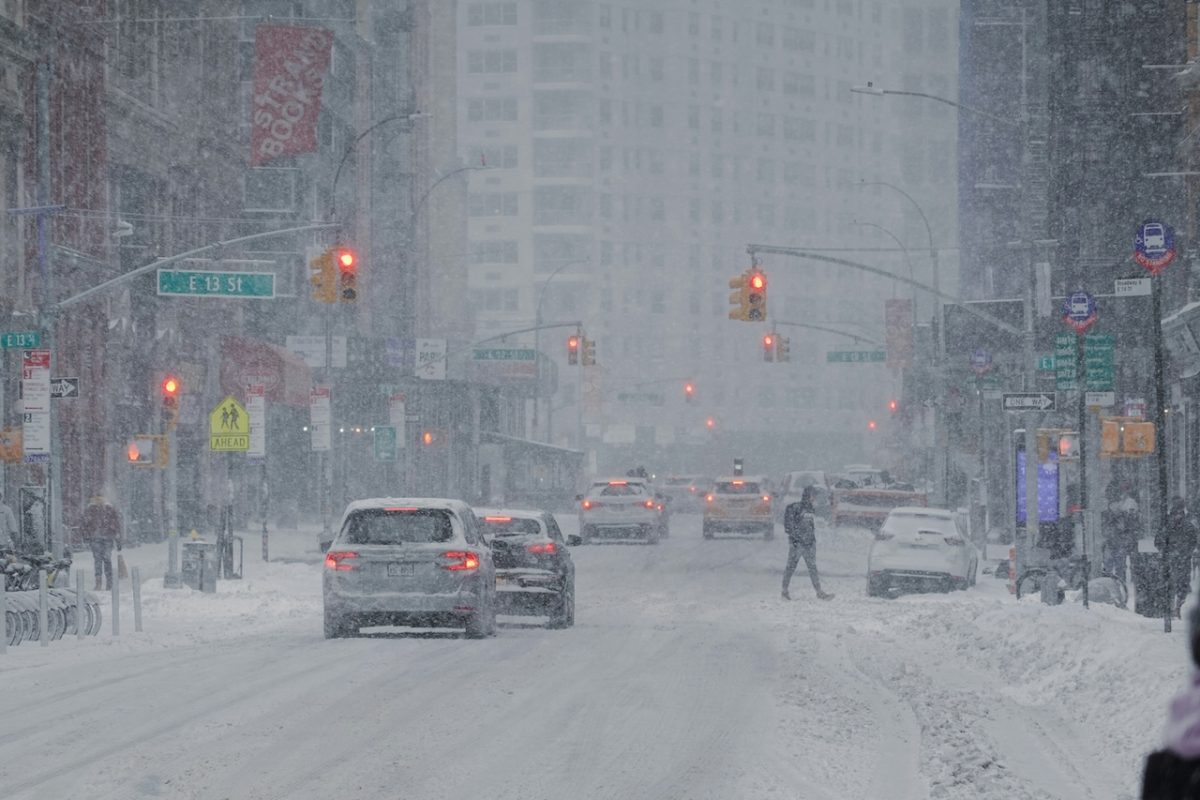
The US Northeast is bracing for what weather experts are calling a historic winter assault. Right now, more than 6,000 flights sit grounded across the region, with New York experiencing its first blizzard warning in nearly ten years. The storm is affecting travel networks across a sprawling corridor: from Baltimore and Washington, DC up through Delaware, Maryland, New York, and into Boston. According to senior meteorologist Carl Erickson at AccuWeather, we're looking at conditions that are simply "treacherous."
The numbers paint a grim picture for anyone trying to move through the region. Major carriers including American Airlines, Delta, JetBlue, and United have been hit hard, with LaGuardia, Newark, Boston, and Philadelphia airports all seeing significant cancellations. American Airlines alone has cancelled over 1,300 flights. The disruption isn't just about the immediate storm either. Even after conditions improve on Monday afternoon, expect schedules to remain chaotic through Tuesday or Wednesday as airlines work to untangle the logistical mess.
What the storm is actually bringing
The forecast is severe. Up to 60 centimeters of snow is expected in the hardest-hit zones, with wind gusts reaching 96 kilometers per hour. That kind of wind speed threatens to snap trees and turn loose snow into a visibility nightmare. Coastal areas face additional peril: moderate to major flooding is predicted along Delaware's coastline, the Jersey Shore, Long Island, and southern New England during Sunday night's high tide.
The real concern is scope. Some 59 million people are under weather alerts, with roughly 40 million facing blizzard warnings. Coastal flooding could expose up to 30 million residents to power outages. NBC New York's assessment is blunt: travel will be "dangerous to impossible" near I-95 corridor cities like Philadelphia, New York, and Boston. Road closures and impassable low-lying areas should be expected.
If you're stuck or planning to travel
Local authorities are clear on one point: stay indoors if you can. The National Weather Service has warned of "extremely treacherous" conditions and called this a "potentially life-threatening" event. New York has activated over 40 warming centers to help vulnerable populations survive the worst of it. Washington, DC's Snow Patrol is out in force trying to keep streets and bus routes passable on foot.
For travelers already booked or considering journeys through the region, several major airlines have issued travel advisories and are allowing ticket changes without penalties. Before attempting any journey, check real-time guidance from your carrier and your airport. The situation is fluid, and conditions can deteriorate faster than forecasts predict.
American Airlines shared its recovery timeline in a statement: teams are working around the clock and expect to resume operations at affected airports starting Tuesday, February 24, as soon as safety allows. But be realistic. Getting flights back to normal takes more than the storm clearing. Crews need to return to base, planes need to be repositioned, and staff schedules need to be rebuilt.
The bottom line
This storm is serious. If your plans involve the Northeast over the next few days, assume disruption and build in flexibility. Those with non-essential travel should postpone. Those already caught in the region should shelter in place and lean on airline and airport resources for updates. The winter storm is effectively shutting down the New York City area, and the broader Northeast won't bounce back immediately once the snow stops falling.