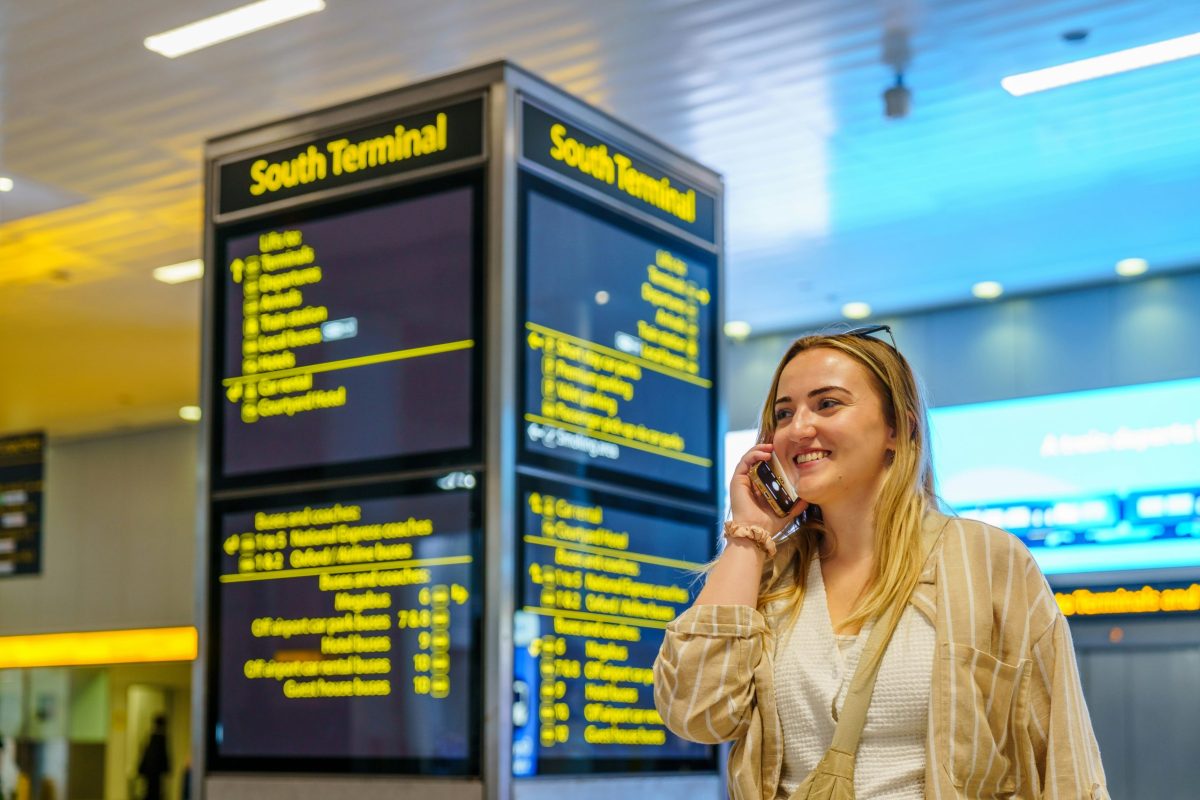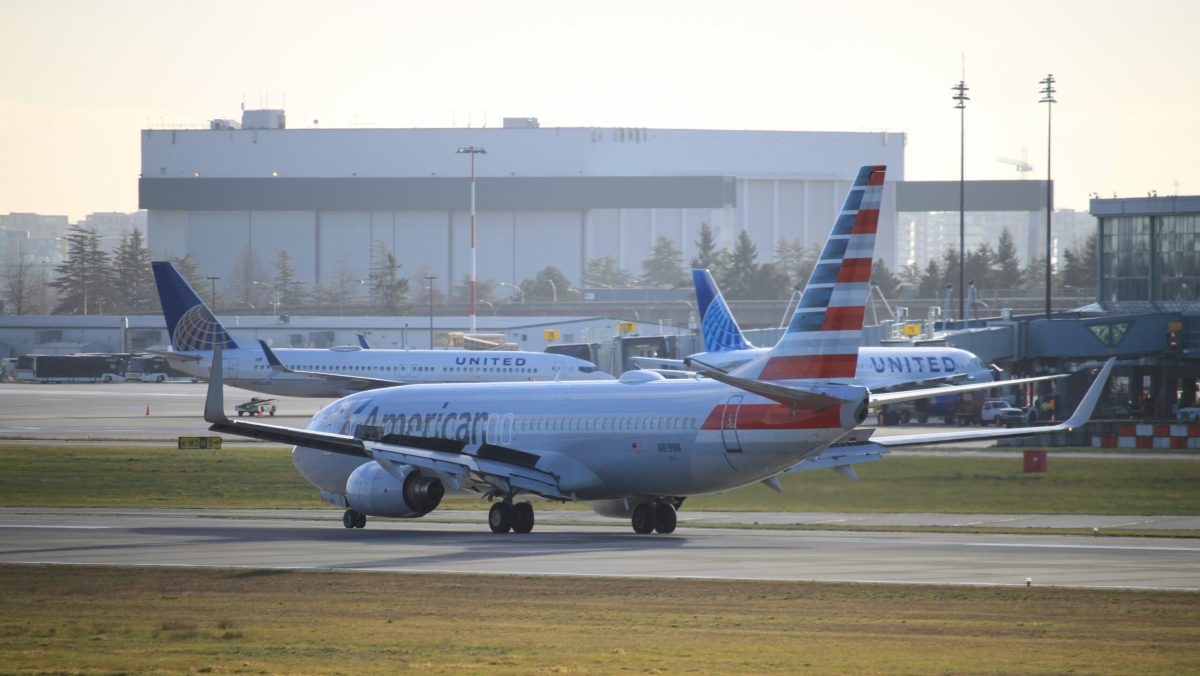
Friday the 13th lived up to its reputation on November 13, 2026, when a seemingly routine cable upgrade sent shockwaves through the US aviation system. For four hours, the Federal Aviation Administration (FAA) halted all departures nationwide, marking the longest shutdown since the September 11 attacks. The culprit? A router that went haywire during a fiber-optic installation, flooding air traffic control systems with data.
The trouble began at 3:36 pm Eastern Time, according to Transportation Secretary Sean Duffy. Air traffic control centers reported instability in radar and communications, prompting controllers to suspend take-offs as a safety measure. Airspace reopened at 8:15 pm, but the damage was done. FlightRadar24 counted more than 6,600 cancellations and 8,600 delays, with the BBC estimating over 15,000 combined disruptions affecting 1.5 million passengers.
What Went Wrong
The outage followed maintenance to replace aging copper wire with fiber-optic cable, carried out by contractor L3Harris. According to Duffy, a router being worked on began flooding other systems with data, disrupting communication with aircraft. "Our switches, our routers actually got overloaded with data," he told reporters, adding that radar and communications were never fully lost. Investigators are still determining whether the wire replacement or a faulty router was the root cause, with Duffy mentioning possible "incompetence" by the contractor.
However, not everyone buys the official story. Journalist Anna Giaritelli told CNN that 60 air traffic controllers disputed Duffy's explanation, questioning why technical work was scheduled on a busy Friday afternoon. Officials, including Homeland Security Secretary Markwayne Mullin, have denied any evidence of a cyber-attack or rogue AI. L3Harris secured the two routers from remote FAA facilities in Texas and Arkansas and is conducting deep diagnostics at their Florida headquarters, with engineers from Juniper and Cisco assisting.
Why the Impact Was So Wide
A ground stop covers the entire network, and even a short pause leaves aircraft and crews out of position for their next operation. Travelers found themselves stuck on tarmacs or sleeping in terminals, and unfortunately for them, US airlines are unlikely to offer compensation because the FAA was responsible, not the carriers. The financial fallout hit airlines too, with shares in American, United, and Delta falling 1% to 2% in after-hours trading, while JetBlue dropped about 3%.
Could It Happen in Europe?
Europe felt the effects directly. At the FAA's request, EUROCONTROL suspended US-bound departures from its member states from 23:00 Friday to 06:00 Saturday Belgian time, including passenger and cargo flights at Brussels Airport and freighters at Liège. Recent similar incidents have already occurred in Europe: a UK NATS failure in August 2023 affected more than 700,000 passengers, a NATS software fault on September 8, 2026 led to over 2,000 cancellations, and an anomaly in Italy's ENAV data network on October 16 cut capacity by half.
Expert software engineer Pasquale Pillitteri notes that outages usually begin in data links between systems, not radar, and that the same weak points exist across Europe as in the US. With traffic at record levels, Eurocontrol reported 37,659 flights on July 24, 2026, leaving little room to absorb an outage. No operator can guarantee a regional air traffic outage won't happen, and because European system architecture isn't public, comparisons remain qualitative.
For travelers, the takeaway is clear: even a single technical glitch can cascade into massive disruption. If you're flying soon, consider travel insurance and flexible bookings. And if you're planning a trip, check out our guide on Cyber Monday flight deals to save money, or read about how Storm Charles grounded 300 flights in Portugal for a reminder of how weather can also wreak havoc. For a deeper look at air traffic control challenges, see this near miss over LAX.