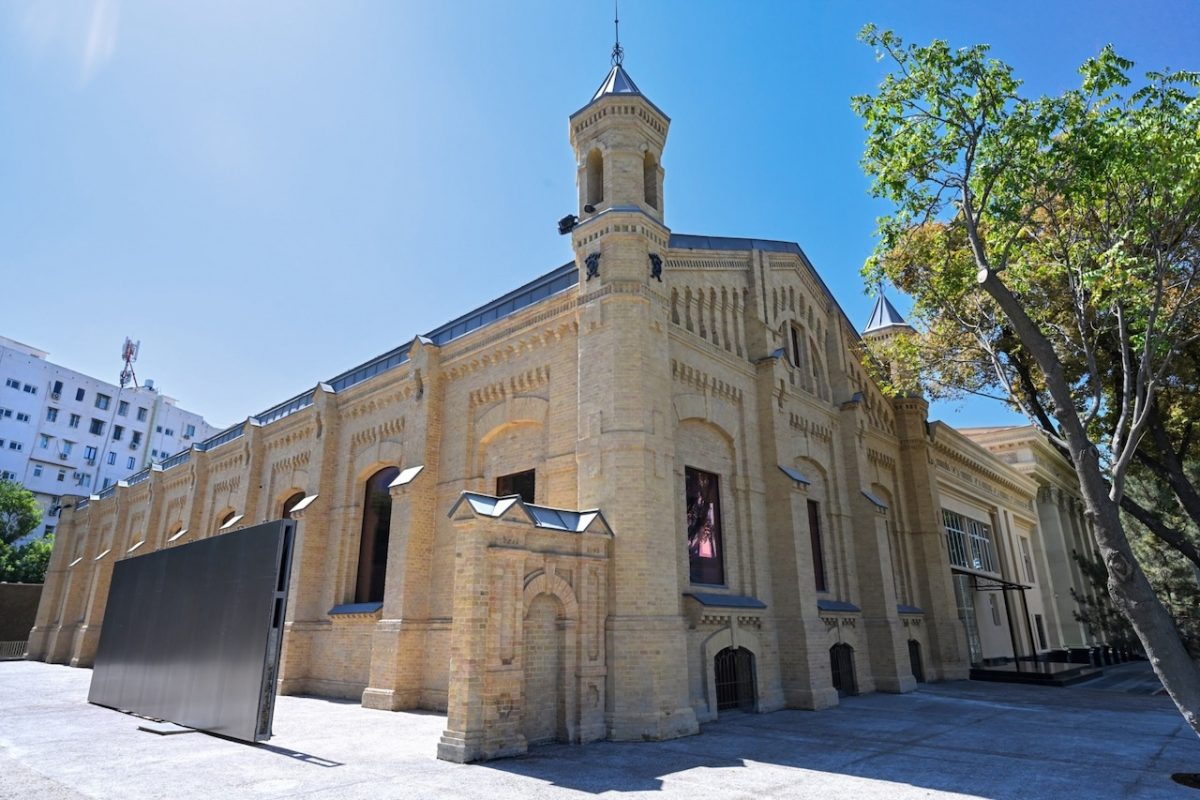
In the heart of Tashkent, a building that once hummed with the energy of trams and diesel engines has found a new rhythm. The Centre for Contemporary Arts Tashkent (CCA) opened its doors on 6 September, turning a 1912 industrial complex into Uzbekistan's first permanent home for contemporary art. The renovation, led by Paris-based Studio KO, keeps the grit of the past while making room for the art of now.
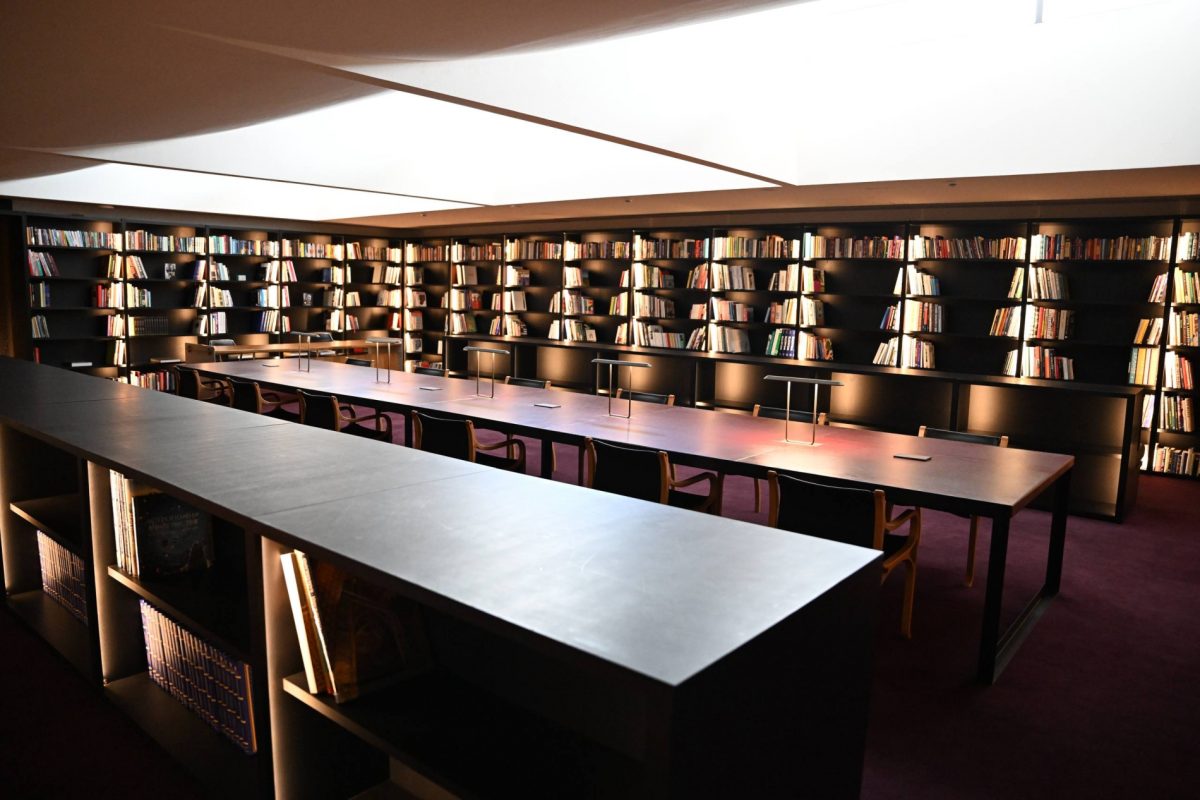
The complex was designed by Wilhelm Heinzelmann for the city's first tramway. Later, it became part of Tashkent's electricity network and stayed in use for over a century. In 2019, the Uzbekistan Art and Culture Development Foundation took charge, and the transformation began. Instead of wiping away the industrial history, Studio KO, founded by Karl Fournier and Olivier Marty, chose to honor it. Early 20th-century brickwork has been carefully restored, and the former diesel station now serves as the main exhibition hall. The old administrative building has become a bookshop and research library, while the courtyard is set up for gatherings, workshops, and outdoor film screenings.
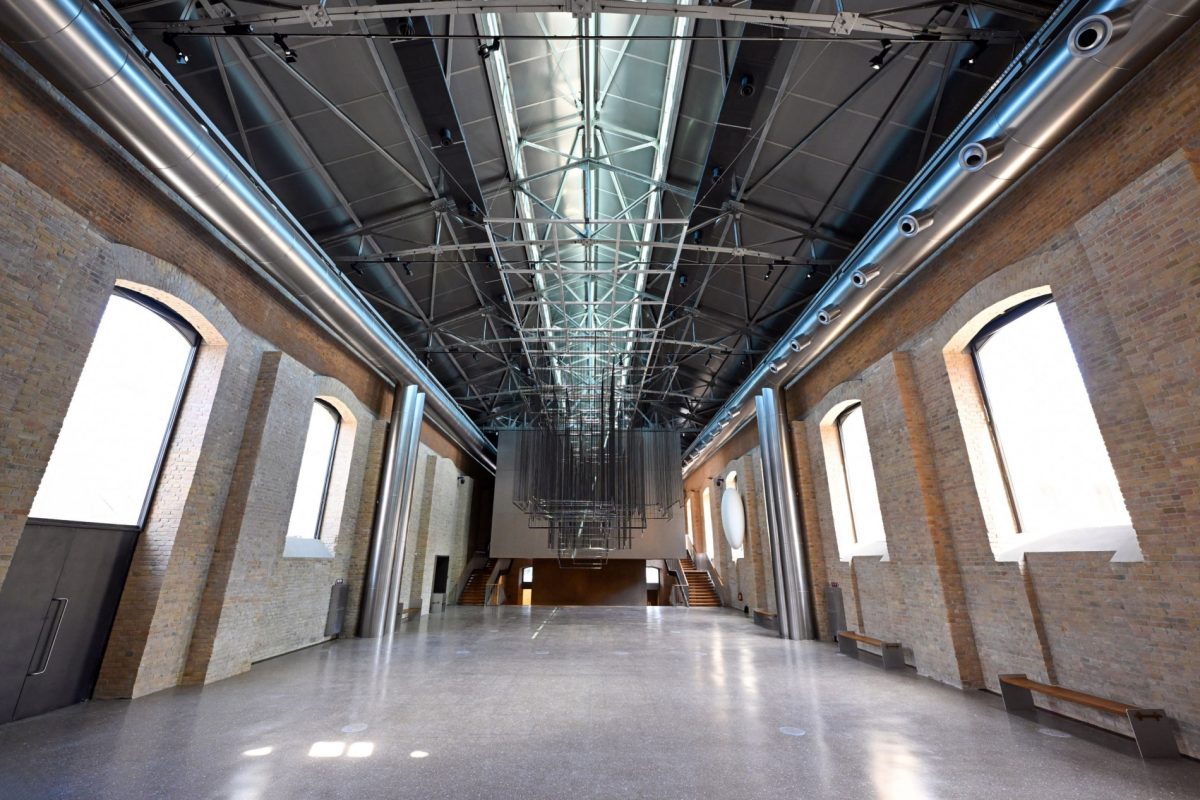
What makes this renovation stand out is the local touch. Studio KO developed a concrete mix using materials from the region and commissioned bespoke tiles from the Rakhimov family ceramics studio in Tashkent. The architects wanted to respect the site's industrial heritage while weaving in traditional Uzbek patterns and light-filtering motifs. The result is a space that feels both grounded and forward-looking.
Beyond the galleries, the CCA is a full cultural complex. It includes educational areas, public meeting spaces, a concept store, and a restaurant. The idea is to bring exhibitions, performance, film, research, and education under one roof, making it a destination for locals and travelers alike. If you are planning a trip to Central Asia, this is a compelling reason to put Tashkent on your itinerary, much like the new trips that turn travel into a force for good.
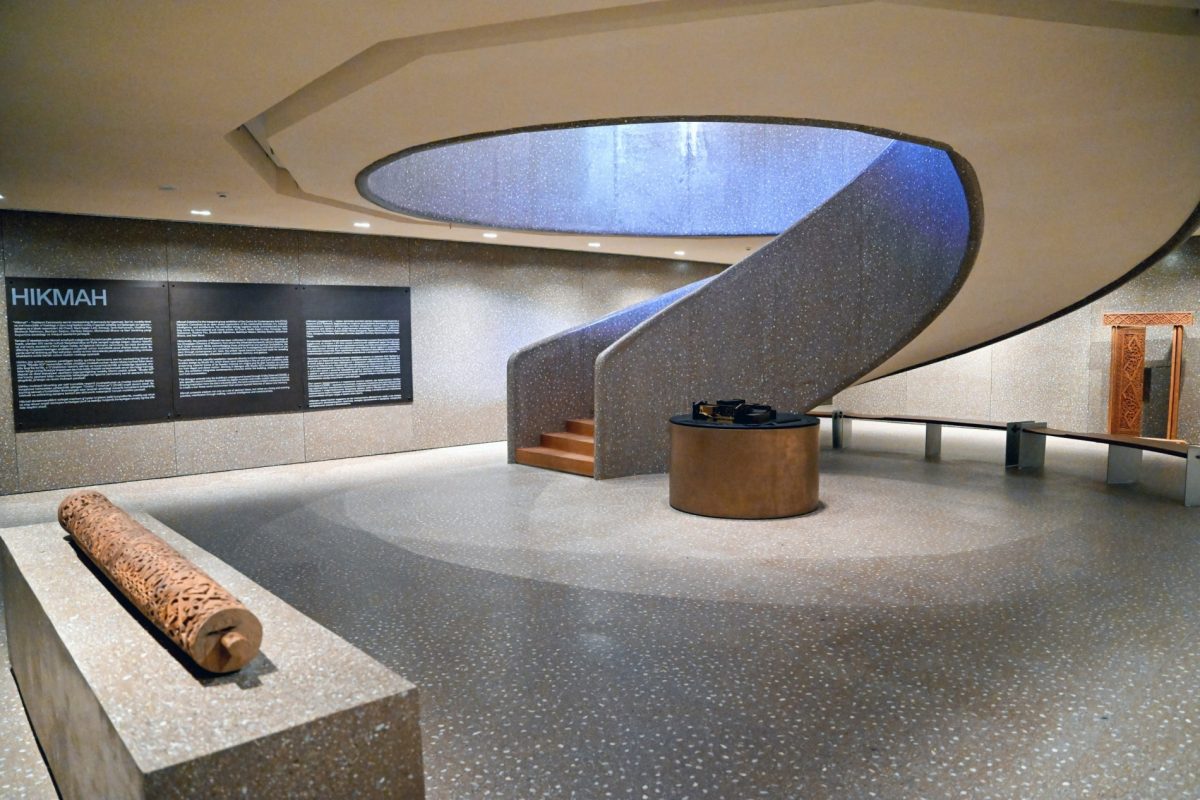
Opening with Wisdom
The inaugural exhibition, titled Hikmah, which means "wisdom," is curated by Dr Sara Raza, the centre's chief curator. It brings together Uzbek and international artists, exploring themes of knowledge, spiritual heritage, cultural memory, and the dialogue between historical traditions and contemporary practice. The show features 11 works, including Flying Carpets (2011) by Tunisian-Ukrainian artist Nadia Kaabi-Linke, on loan from the Solomon R. Guggenheim Museum in New York. Uzbek ceramicist Shokhrukh Rakhimov presents The Colour of Silence, In Search of Truth (2026), a site-specific installation of seven ceramic forms made with locally sourced minerals and pigments.
Rakhimov sees the centre as a stage for global exposure. "It's a very nice stage where I can show my work to the world audience," he said, noting the opportunities for collaboration with artists from other countries. The opening also drew international cultural figures, including Mariet Westermann, Director and CEO of the Guggenheim Museum and Foundation. "Any serious city for art around the world has both historic art and cultural heritage, but also very much the latest art, the art of our own time," she said.
A Cultural Shift
President Shavkat Mirziyoyev visited the centre before it opened to the public, framing the project within Uzbekistan's broader push to promote contemporary culture alongside its historic treasures. "Of course, it is natural for us to promote our great heritage and cultural treasures," he said. "But promoting our contemporary history is also both our responsibility and our duty."
The CCA is set to host a year-round programme of exhibitions, residencies, research, film, and performance, along with collaborations with international institutions. The Hikmah exhibition runs until 31 January 2027, giving travelers plenty of time to plan a visit. Tashkent is becoming a cultural hub in its own right, and this new centre is a bold statement of intent. For those who love to see cities evolve, this is a stop worth making. And if you are already thinking about your next journey, consider how Europe's airport expansion might affect your travel plans.
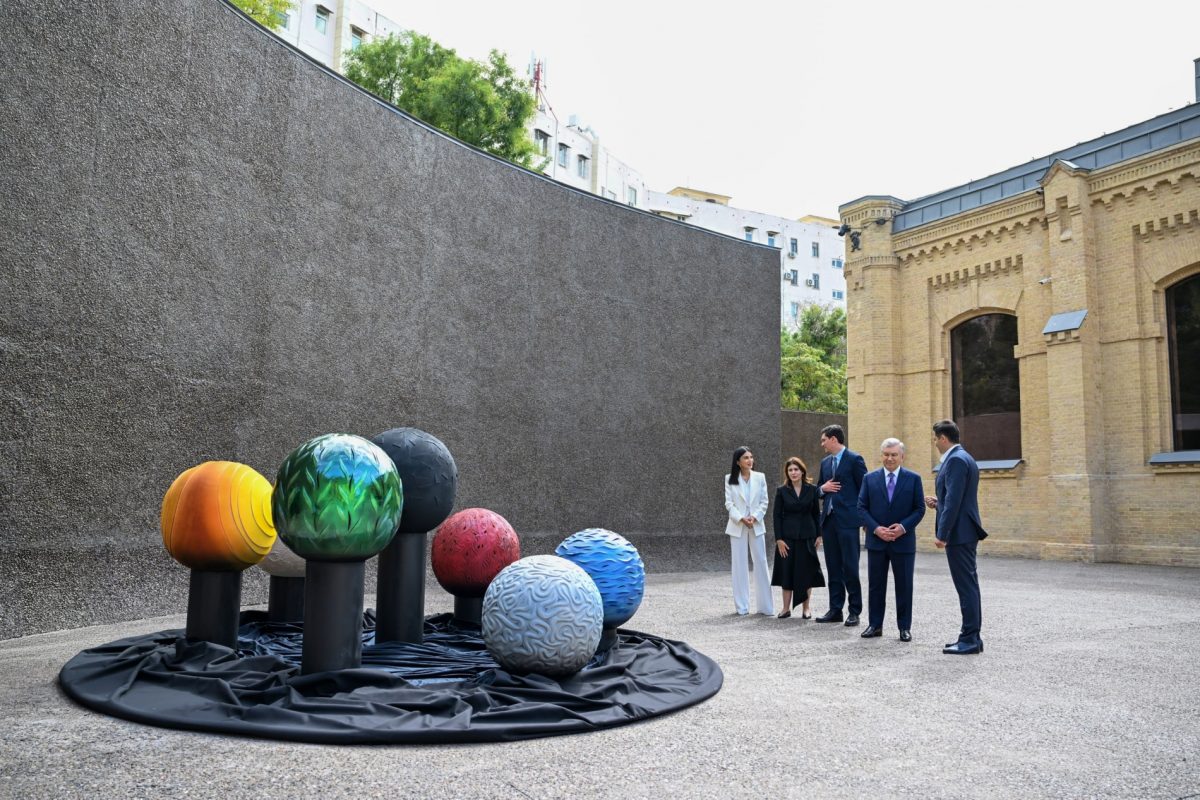
Whether you are an art enthusiast or just curious about how a city reinvents itself, the CCA Tashkent offers a rare glimpse into a place where history and innovation meet. The old tram depot has not just been preserved; it has been given a new purpose, one that speaks to the future of Uzbek culture.