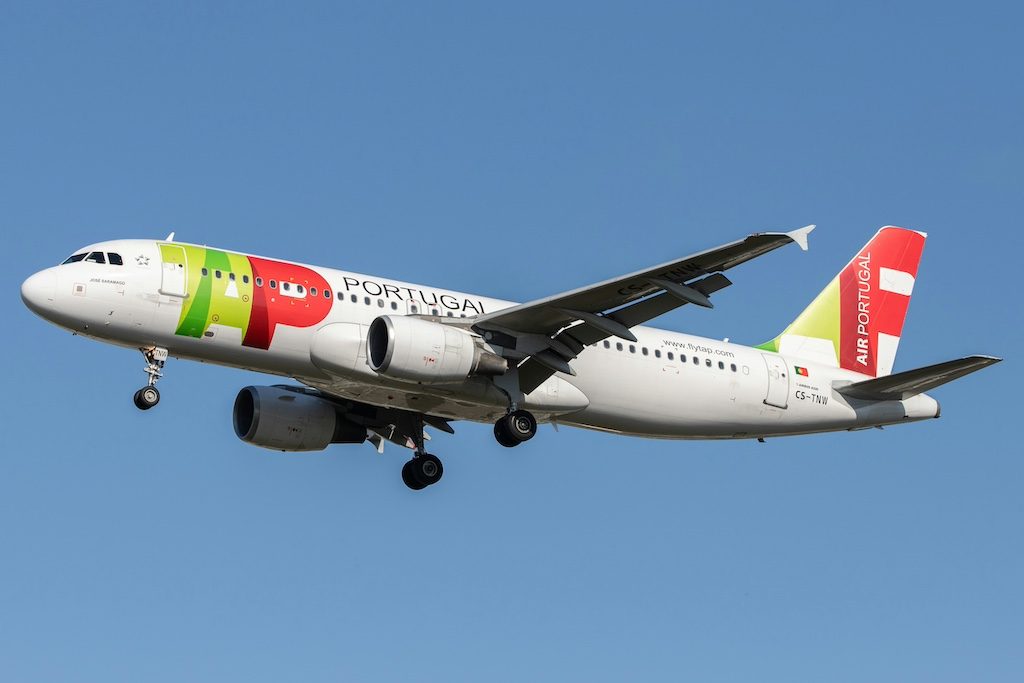
On June 17, 1966, Captain Silva Soares climbed into the cockpit of a Boeing 707 named Santa Cruz and prepared for something remarkable. Eighty passengers were strapped into their seats for what would become TAP Air Portugal's first direct jet flight from Lisbon to Rio de Janeiro. Six decades later, that single inaugural journey has blossomed into one of Europe's most vital links to South America, moving millions of travelers annually across the Atlantic.
The Santa Cruz itself carried profound symbolism. The aircraft was named after an earlier generation of Portuguese aviators, Sacadura Cabral and Gago Coutinho, who became the first pilots to cross the South Atlantic in 1922 using a seaplane of the same name. Flying that route on the same wings (metaphorically speaking) was TAP's way of honoring aviation history while building the future.
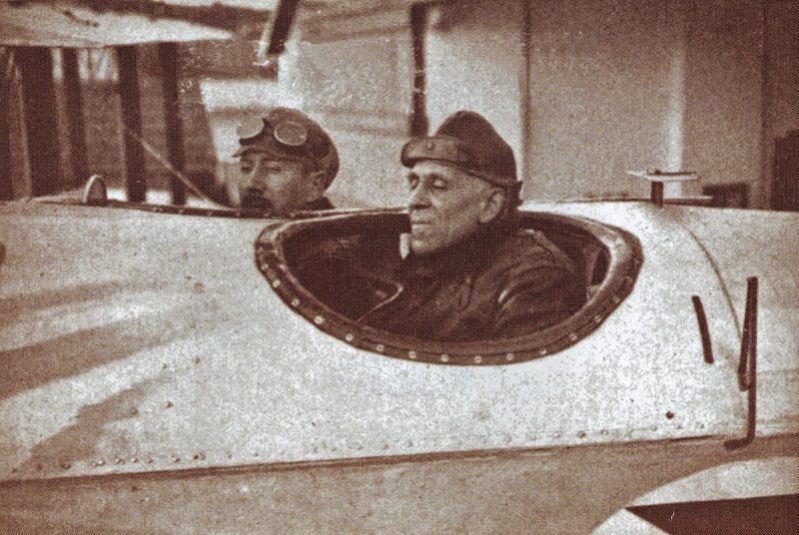
But the airline's Brazil obsession didn't start in 1966. TAP had been dabbling in South American routes since 1960 through a partnership with another carrier called Panair, operating what they called the Friendship Flight. By 1965, TAP had graduated to running its own services, routing planes through Lisbon, Sal, Recife, and Rio de Janeiro. The 1966 direct flight was the breakthrough moment, cutting through the fat and linking Portugal's capital straight to Brazil's jewel without intermediate stops.
From One Route to a Network of 15 Destinations
What makes TAP's six-decade run genuinely impressive isn't just longevity. It's how much the operation has grown. Today, TAP connects Europe to 15 Brazilian cities: São Paulo, Rio de Janeiro, Brasília, Recife, Salvador, Fortaleza, Belém, Belo Horizonte, Natal, Maceió, Porto Alegre, Florianópolis, Manaus, and the newly launched routes to São Luís and Curitiba (starting June 2, 2026).
In December 2025, TAP shattered its own traffic record, hauling over 2 million passengers on Brazil routes alone. For 2026, the airline expects that number to hit 2.1 million across the Atlantic between Brazil and Europe. To put that in perspective, that's roughly equivalent to the entire population of Luxembourg moving back and forth over a single year.
The expansion keeps accelerating. Carlos Antunes, TAP's Director for the Americas, spoke about the symbolism of hitting this milestone in Manaus, a city deep in the Amazon that wasn't connected to Europe until relatively recently. "This record reflects passengers' confidence in TAP and the importance of the Brazilian market," he noted. When Curitiba joined the network, he doubled down: "We're deepening our commitment to connect Brazilian cities to Europe, while strengthening historical, cultural, and economic ties between our nations."
Why This Matters for Travelers
For anyone planning a trip between Europe and Brazil, these numbers translate to real benefits. More flights mean better schedules, more competitive pricing, and easier connections. European air passengers have been fighting for better conditions for years, and increased competition on major routes like this pushes airlines to step up their game.
TAP's strategy also matters because the airline acts as a bridge between two regions with deep historical ties. Portugal settled Brazil centuries ago, and that cultural thread still runs strong. Trade, tourism, and cultural exchange between the two countries all depend on reliable, affordable connectivity. When an airline invests in a route for 60 years, communities on both sides benefit from jobs, economic growth, and the ability to visit family across the ocean.
Looking ahead, TAP shows no signs of resting on its achievements. The airline's CEO, Luís Rodrigues, made the company's intentions crystal clear: "Brazil has served the company very well in the last 60 years and will continue to do even better in the next 60. The country has enormous growth potential and continues to be a key market for TAP." Expect more routes, better aircraft, and increasingly convenient flight times as the airline chases opportunities in emerging Brazilian markets.
For travelers, that means the golden age of transatlantic connectivity between Lisbon and Brazil is just getting started. Whether you're chasing the beaches of Rio, the culture of São Paulo, or the wild biodiversity of the Amazon, TAP has built a network that makes the journey easier than ever. Six decades in, and this love story between Portugal and Brazil shows every sign of lasting another 60.