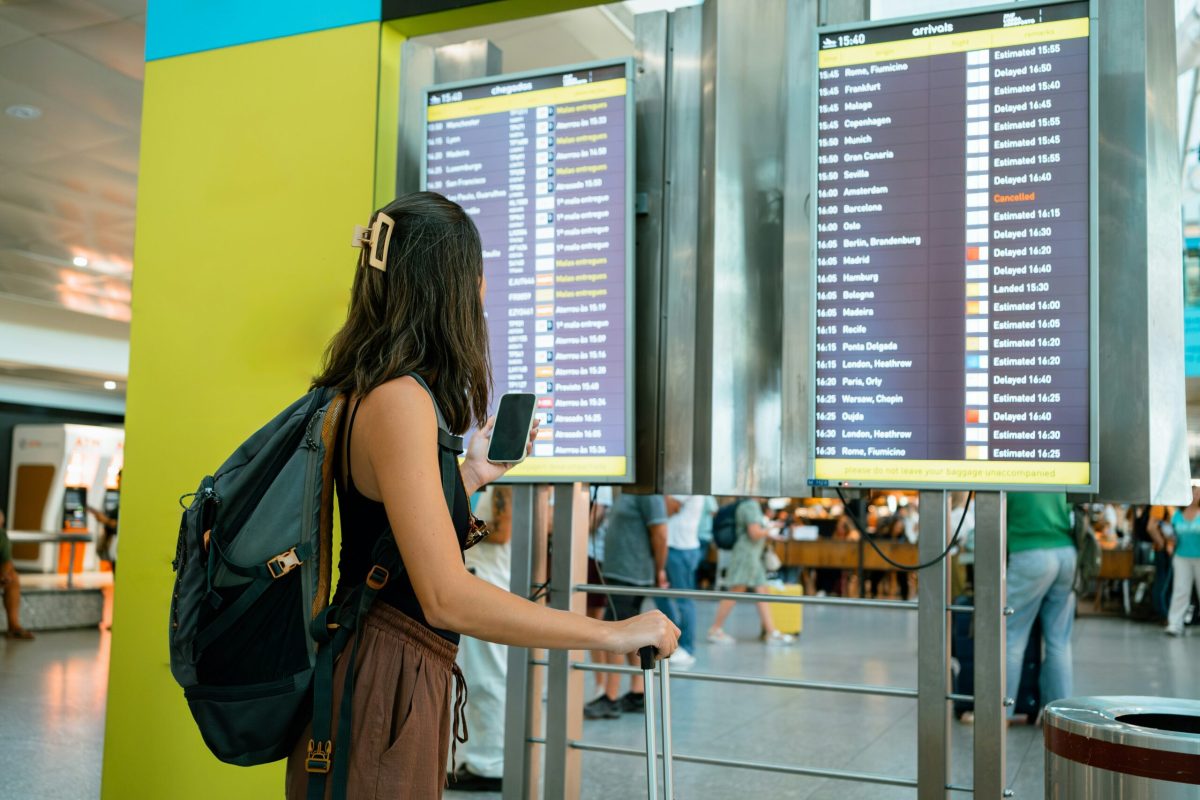
When you've been stuck on the tarmac watching your connection slip away, you probably wondered why getting airline compensation feels like solving a Rubik's cube with your eyes closed. The European Union finally agrees with you. After 13 years of back-and-forth between Parliament and the Council, a sweeping update to air passenger rights just landed, and it's loaded with changes that actually matter to travelers.
The headline win: compensation stays intact for flights delayed more than three hours. This wasn't guaranteed. During talks, some pushed to raise that threshold and water down protections. European Parliament members held the line, and passengers everywhere benefit from that stubbornness. You'll still get paid when things go wrong, with amounts tied to how far you're flying.
What Your Compensation Actually Looks Like
The money breaks down by distance, and these figures won't change. For a short-haul hop up to 1,500 kilometers, you're looking at 250 euros. Bump that up to 1,500 to 3,500 kilometers, and you get 400 euros. Fly the long-haul routes beyond 3,500 kilometers, and the airline owes you 600 euros. On those intercontinental journeys, airlines can cut that in half if they reroute you and you still arrive within four hours of your original time.
Here's the part that matters most, though: claiming that money stops being a nightmare. Airlines now must send you clear, electronic instructions for filing a claim within four days of your journey ending. You'll have nine months to actually submit paperwork (no rushing around the next morning). Once they get your claim, airlines have 30 days to either pay up or explain why they're not paying and tell you how to complain further. No creating accounts. No downloading apps. Just straightforward information.
Family Seating and Real Accessibility
Parents who've wrestled with airline seating charts at 3 a.m. will appreciate this one. Kids under 14 sitting next to their guardian? Free. No upcharge. The same applies to passengers with disabilities or reduced mobility, and to pregnant travelers. These groups also get stronger protections if airport assistance services mess up and cause them to miss their flight.
That's paired with preserved duty-of-care rules. When you're stuck on the ground because of delays, airlines still cover refreshments after two hours, meals after three, and accommodation for up to three nights if things stretch out. This safety net doesn't apply when extraordinary circumstances (severe weather, armed conflicts, disruptive passengers) cause the chaos, but the standard situations now have real support.
Baggage, Pricing, and Hidden Fees
One free personal item on board. That's now guaranteed. A small backpack or shoulder bag won't trigger additional charges. Airlines can still offer discounts to passengers choosing to travel without hand luggage, which keeps budget-conscious travelers happy.
More importantly, airlines and booking platforms must show you the full ticket price including hand luggage fees from the very first step of searching for flights. No more discovering hidden charges halfway through checkout. You'll know exactly what you're paying before your fingers go near the payment button. Booking platforms, travel intermediaries, and airlines are all on the hook for this transparency.
Small-but-real detail: airlines can't charge you anymore for fixing spelling mistakes in your name on the booking. That's a welcome absurdity removed.
When This Starts Mattering
The deal is provisional right now, awaiting formal approval from both institutions. Once they sign off, the updated rules enter force across Europe. Parliament President Roberta Metsola called this a major victory, noting that Parliament stayed focused on keeping passenger protections strong while still offering airlines a workable framework.
This agreement updates legislation that's been in place since 2004, so these changes are decades overdue. European airports have evolved enormously since then, passenger volumes have shifted, and the compensation process genuinely needed simplification. What you're seeing here is European policymaking actually responding to what travelers face in real airports.
If you've been hesitant about taking connecting flights or longer European routes due to compensation uncertainty, this framework makes those journeys feel less risky. You know what you're entitled to, how to claim it, and how quickly you'll get answers. That's not flashy, but it's the kind of practical change that adds up when you're trying to get somewhere across the continent.