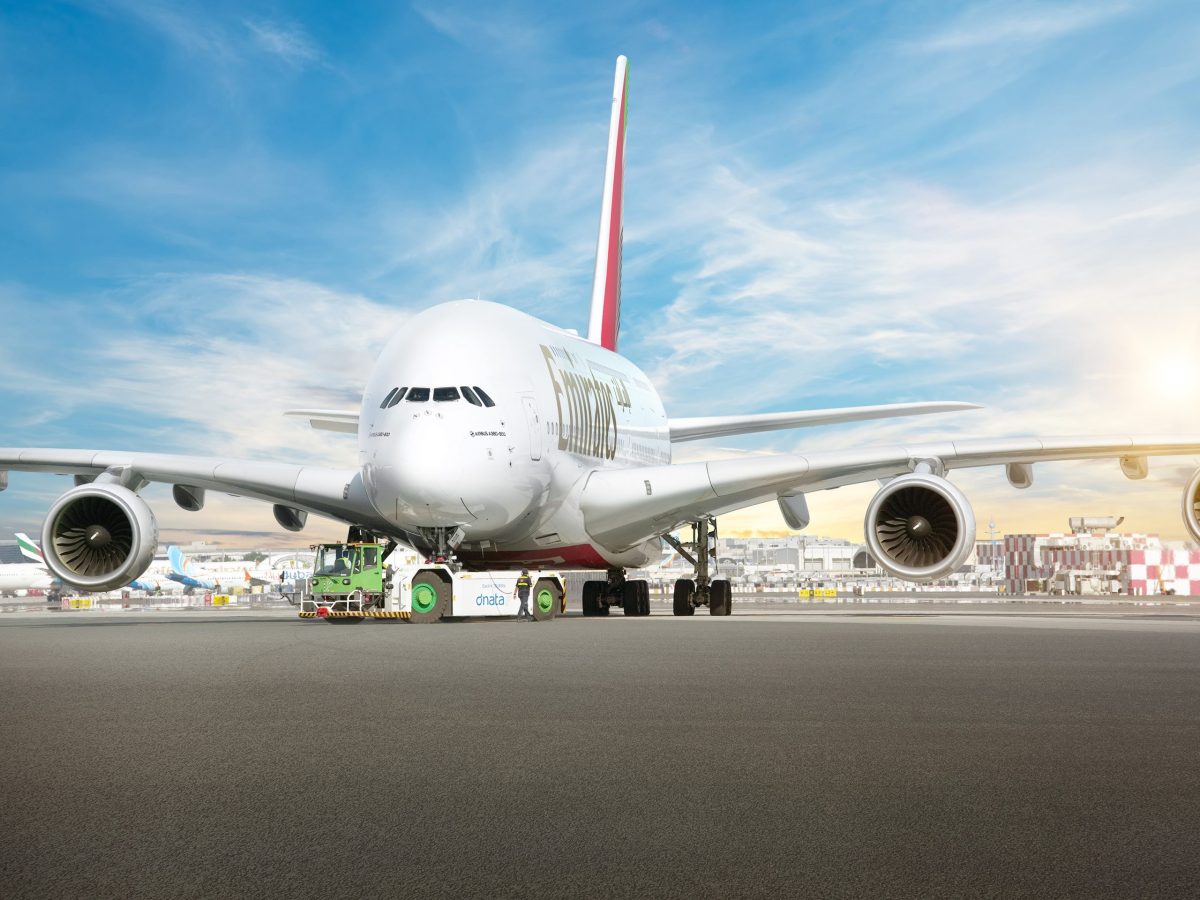
When the skies over the Middle East turned hostile and jet fuel prices went vertical, most airlines would have buckled. Emirates didn't. The Dubai-based carrier just posted a pre-tax profit of AED 4.1 billion (about €1 billion) for the first half of its 2026-27 fiscal year, a staggering feat given the circumstances. That's a 66% drop from the same period last year, but profit is profit, especially when your region is in turmoil.
The numbers tell a story of resilience. Emirates Airline alone earned AED 3.7 billion (€904 million) before tax, even as revenue slid 13% to AED 56.9 billion (€13.9 billion). Passenger numbers fell 22% to 21.8 million, and the airline had to cut capacity by 10% to match shrinking demand. Yet it kept its head above water, and then some.

The Secret Weapon Was Fuel Hedging
Here's the part that should make other airlines jealous. Emirates used 12% less fuel because of reduced flying, but its fuel bill before hedging gains still jumped 60%. Then its fuel price risk management strategy kicked in, generating AED 7.1 billion (€1.73 billion) in gains. That trimmed the net increase in fuel costs to just 13%. Fuel still ate up 34% of operating costs, but without those hedges, the airline would have been swimming in red ink.
That's the kind of foresight that separates the winners from the also-rans. The fuel hedging strategy alone saved the airline from a much deeper loss, and it's a lesson in how smart financial planning can weather even the most volatile markets.
Cargo Became the Unsung Hero
While passengers stayed home, freight kept flying. Emirates SkyCargo moved 1.2 million tonnes of cargo, barely 1% less than the previous year. But revenue from cargo soared 52%, thanks to disrupted maritime shipping and reduced air freight capacity across the industry. Businesses that normally shipped by sea turned to air, and Emirates was there to catch them.
Sheikh Ahmed bin Saeed Al Maktoum, the group's chairman and CEO, put it plainly: "Our cargo operations made a strong contribution, keeping revenue and cash levels healthy." Cargo revenue jumped 52% despite flat volumes, a testament to the power of being in the right place at the right time.
Premium Cabins and Traveler Confidence
Emirates didn't just rely on cargo. It doubled down on the passenger experience. Demand for premium cabins stayed strong, so the airline kept investing. It added nine A350 aircraft, refurbished 12 existing planes, and expanded its Premium Economy offering. Those moves, part of a long-term strategy, helped keep the seats that were filled, filled with higher-paying travelers.
The airline also worked hard to win back nervous flyers. It introduced comprehensive travel cover that wasn't affected by government travel advisories, plus free date changes and more generous refunds. That's a smart play when travel defies wars and costs to smash records elsewhere in the world, but fear still lingers in the region.
By the end of September, Emirates had restored 91% of its pre-disruption network. Its workforce shrank by just 2%, a sign that it kept its team intact through the storm. Average seat occupancy fell to 72% from 79.5%, but that's still respectable given the circumstances.
What This Means for Travelers
For passengers, the takeaway is simple. Emirates is flying again, and it's doing so with confidence. The airline's premium economy now features full-height privacy screens, and the carrier is clearly betting on comfort to lure people back. If you're planning a trip through Dubai, you'll find a network that's nearly back to normal, with the same level of service that made Emirates famous.
The group also benefited from its airport services subsidiary, dnata, which kept earning internationally even as Gulf activity slowed. Cash reserves stood at AED 54.1 billion (€13.2 billion) at the end of September, giving Emirates plenty of runway to handle whatever comes next.
Sheikh Ahmed called the outlook "measured optimism," and that's fair. Regional instability and fuel prices remain wildcards. But Emirates has proven it can navigate chaos. The airline restored 91% of its network by September, and it's entering the second half of its fiscal year with a clear edge over its regional rivals. The Arab Air Carriers' Organization forecasts a net loss of about €3.86 billion for the sector in 2026, so Emirates' profit stands out even more.
For now, Emirates is a case study in how to survive, and even thrive, when the world throws everything at you. The next time you book a flight, remember that the airline you're flying has been through the wringer and come out stronger. That's worth a little extra confidence.