Imagine paying 40% less to keep the lights on. That's the promise of a new report from the Schneider Electric Research Institute, presented at the UN COP31 climate summit in Türkiye. The study, which crunched 40,500 different scenarios, found that Europe could dramatically cut its electricity system costs by leaning into distributed energy resources like rooftop solar, home batteries, electric vehicles, and smart appliances.
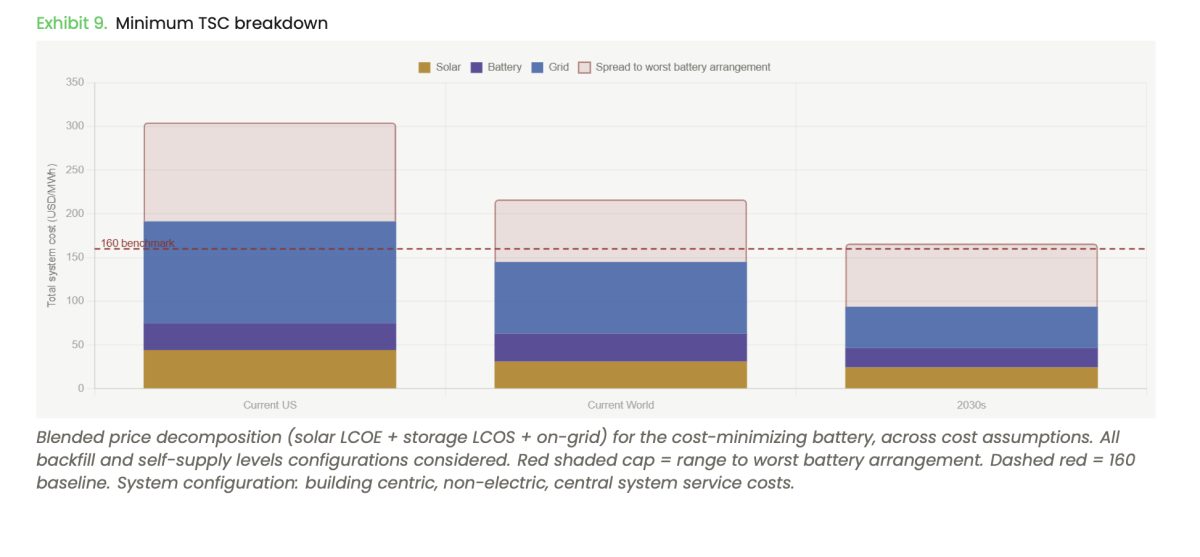
But here's the twist. The savings only materialize if these pieces are deployed in harmony. Coordinated deployment is the key to unlocking the 40% cost reduction. Get it wrong, and the same batteries that could save money might actually push costs up by as much as 35%. That's the warning from Laurent Bataille, Schneider Electric's EVP of Europe Operations, who says solar has been misunderstood for a decade. "Solar is the fuel, the battery is the power plant," he explains. "But the whole system only becomes cheaper if these work in harmony with one another."
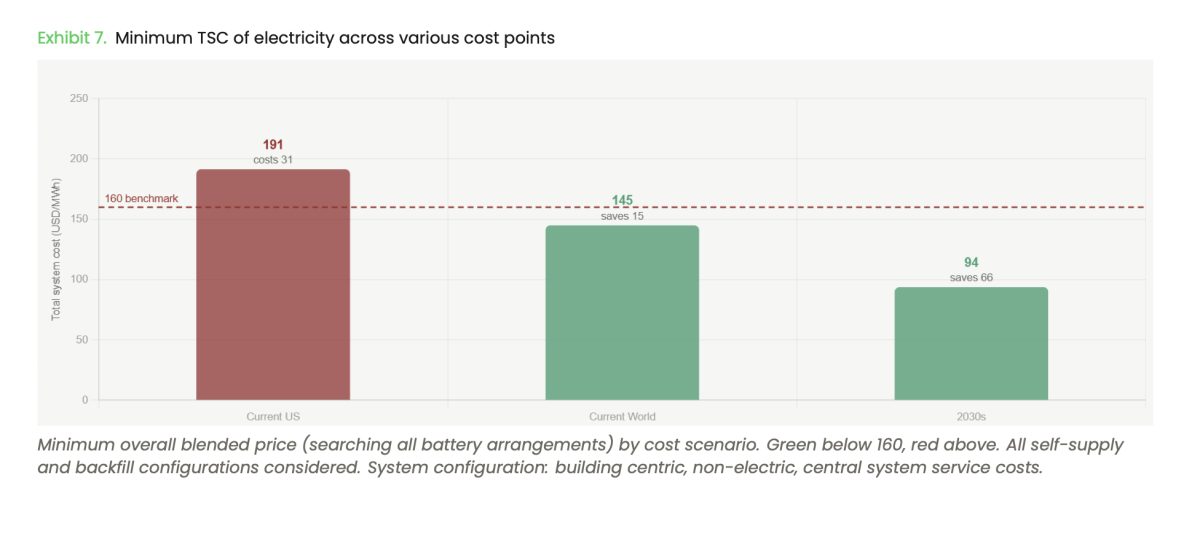
The report, titled System Costs of Electricity: A new Baseline for the 21st Century Economy, suggests that if Europe accelerates solar and battery adoption while also building the electricity demand to use them, the continent could save up to 0.8% of global GDP. That's not pocket change. It's the kind of number that makes economists sit up and take notice.
For travelers, this matters more than you might think. Cheaper, cleaner energy means lower prices for everything from train tickets to hotel stays. It also means more resilient power grids, which is good news if you're planning a road trip through rural Spain or a ski weekend in the Alps. And with Europeans packing for winter trips, the timing couldn't be better.
Why Coordination Beats Raw Capacity
The study's authors are quick to point out that simply adding more solar panels isn't enough. The real gains come from matching supply with demand. That means shifting energy use to times when the sun is shining, charging EVs during the day, and using smart appliances that can wait until power is cheap. It's a dance, not a sprint.
Esther Finidori, Schneider Electric's Chief Sustainability Officer, puts it plainly. "This research shows that sustainability and affordability can reinforce each other, but coordination is critical." She adds that the priority now is to accelerate electrified demand and remove barriers to solar and battery deployment. The pieces are falling into place, but the clock is ticking.
The Electrification Ripple Effect
The COP31 summit has electrification at its core, with Türkiye pledging to raise the global share of energy demand met by electricity to 35% by 2035. That's a bold target, and it comes with a caveat. A study in the scientific journal Nature shows that a fully electrified world could waste 61% less energy. But if countries lean on expanded gas-fired generation instead, the climate benefits evaporate.
So what does this mean for your next trip? For one, it could make electric vehicle charging cheaper and more predictable across Europe. It could also mean lower airfare, since airlines are big energy consumers. And if you're planning to hop between countries by train, you might find that the best bars in Europe are now powered by the sun. The future is electric, and it's arriving faster than you think.
The final agreement on the global electrification roadmap is expected on 20 November 2026, when COP31 wraps up. Until then, the message from researchers is clear. Solar and batteries can slash Europe's energy costs by 40%, but only if they're deployed with foresight. The window for action is now, and the payoff is a cheaper, cleaner continent for everyone.