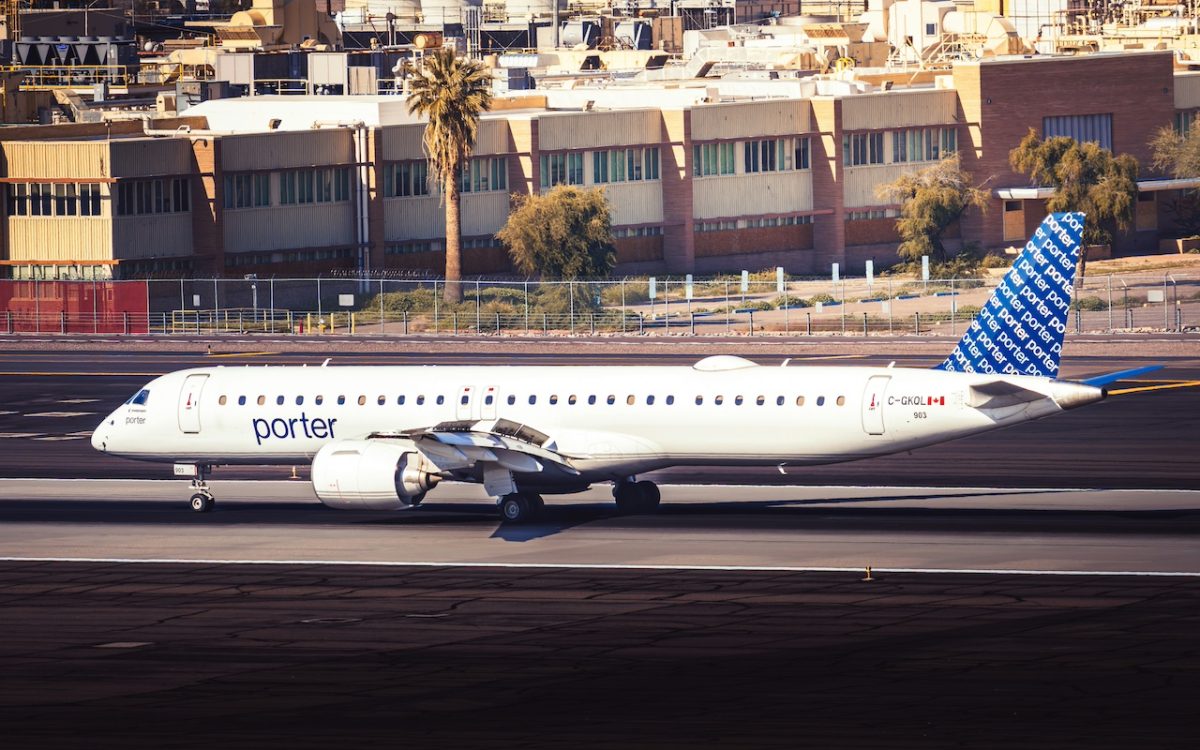
On August 6th, 2026, Porter Airlines Flight PD444 was pushing back from Victoria Airport with passengers ready for departure to Toronto when something unexpected happened. A crew member spotted a toddler standing up in their seat and unable to be convinced to sit still. What followed was an hours-long stalemate that ultimately forced the airline to cancel the flight entirely, leaving over 100 passengers scrambling for hotel rooms and rescheduled flights.
According to passenger Aryeh Kozuch, who shared details with CBC, the situation unfolded in frustrating fashion. The young child kept slipping out of their seat and hiding underneath it. When crew members tried to secure the child with a seatbelt, they would simply wriggle free and slide out again. For over an hour, the flight remained grounded at the gate while staff attempted to resolve the safety issue.
The timing made the problem worse. Victoria Airport's runways close at half past midnight, and the prolonged boarding delay meant the flight risked missing its departure slot entirely. Rather than wait any longer and risk being stuck on the tarmac or stuck in holding patterns, the crew made the call to disembark everyone. Passengers didn't board another flight until Friday afternoon, meaning overnight stays and missed connections for travelers who'd been hoping for a quick hop across the country.
What does Canadian aviation law actually require?
Canada takes flight safety seriously, and for good reason. Transport Canada and the International Civil Aviation Organization (ICAO) have crystal clear rules about what passengers must do before takeoff. Everyone stays seated with seatbelts fastened. Tray tables go up. Seatbacks stay upright. Electronics go into airplane mode. These aren't suggestions.
The penalties for refusing to follow these rules can be severe. Passengers who don't comply and hold up departure can be returned to the gate, removed by airport security or law enforcement, hit with substantial federal fines, added to airline no-fly lists, or even face criminal charges for interference or endangering an aircraft. The rules exist because they work. They keep everyone safe during the most vulnerable part of flying.
A case where fear won out over defiance
What made this situation different from typical unruly passenger stories is that witnesses describe the toddler's behavior as fear-based rather than intentionally disruptive. The child wasn't being willfully naughty. They were scared. That distinction matters because it opens up messier questions about how airlines should handle safety rules when anxiety, not attitude, is driving the problem.
As of now, it's unclear whether the parents face any penalties from authorities or the airline. Porter Airlines issued a brief statement saying they apologize for the impact on passengers, who were eventually able to depart the next day. But the airline hasn't publicly confirmed whether they offered compensation for overnight lodging, meals, or other costs passengers incurred due to the cancellation. That silence has sparked debate online.
Social media reaction split into two camps. Some commenters showed empathy for the parents, the crew struggling with a difficult situation, and even the frightened child. Others questioned whether the crew could have handled things differently or whether Canadian aviation authorities apply rules too rigidly in edge cases. The middle ground seems harder to find than you'd think.
The broader reality is that flying has become more crowded and complicated, and when passengers don't comply with safety procedures, someone has to make hard decisions fast. Crew members aren't trained as therapists. They're trained to follow protocols that keep aircraft operational and everyone on board safe. Sometimes those two goals clash, and when they do, safety wins every time.
For families traveling with young children who struggle with flying, the lesson here is worth remembering. Get to the airport early. Practice what will happen on the plane. Bring comfort items and talk through the process beforehand. Airlines have a job to do, and they'll do it. Making sure your child can handle the experience is your responsibility as a parent. Because when they can't, you're not just affecting your own trip. You're affecting everyone on the flight.