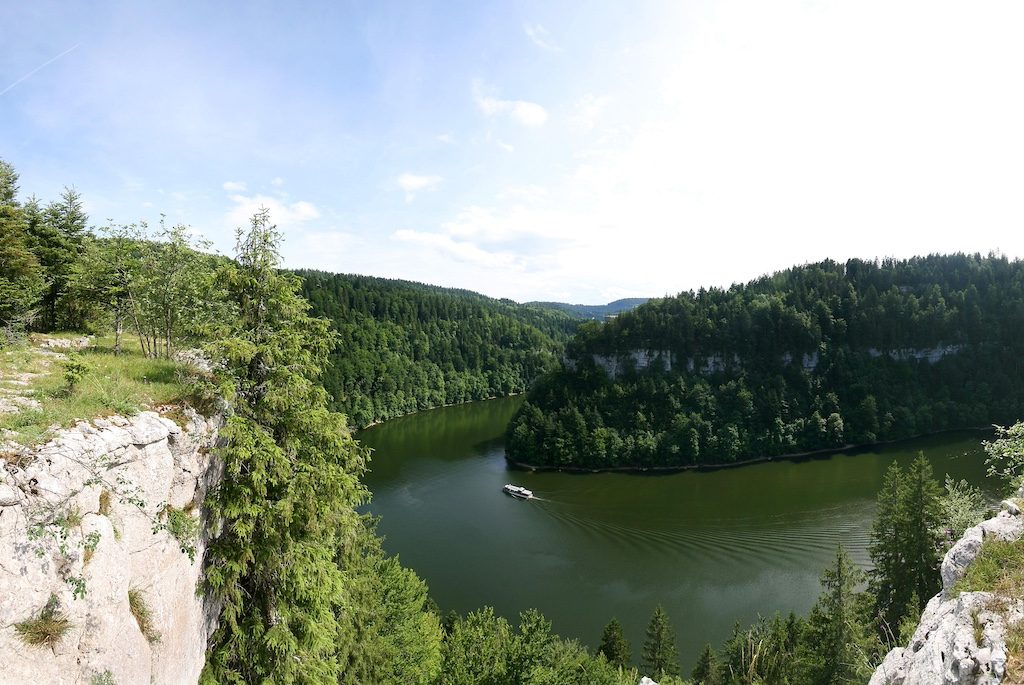
Picture this: a stunning mountain lake framed by limestone cliffs, a 27-metre waterfall cascading into pristine waters, forested ridges reflected in the calm surface. Lake Brenets, tucked along the French-Swiss border in the Jura, is exactly the kind of place that fills travel boards and earns thousands of Instagram tags. Except right now, the lake is dying, and tourists are staying away.
The problem began this spring when Europe got hammered by relentless heat. Switzerland recorded its third-warmest spring since 1864, with temperatures running 1.6 degrees Celsius above the historical average. Then June arrived and things went haywire. The mercury soared 3.5 degrees above the normal range, followed by July setting an outright record at 3.2 degrees above baseline. Meanwhile, rainfall since April has barely reached half its usual amount.
The result? Catastrophic. Lake Brenets, which normally stretches 1.5 kilometres and spans 500 metres across, has transformed into something from a post-apocalyptic film. The water level has plummeted more than nine metres below average. Instead of sparkling alpine waters, visitors now see an exposed brown silt bed with only a pathetic ribbon of muddy water running through the middle. And it's getting worse by 22 centimetres every single day.
Boat operators have been hit hardest. Yvan Durig runs Société de Navigation des Brenets and watches his vessel, the Jumbo, sit beached on the dried lakebed like a useless hulk. He describes feeling powerless as three local boat companies that normally ferry thousands of tourists across these waters during summer sit idle. The season that should be their financial lifeline has become their nightmare.
This isn't an isolated crisis. Similar problems have plagued water destinations across Europe, from the Danube's reduced river levels affecting cruise operations to lakes and rivers across the continent running dangerously low. Water bodies worldwide face unprecedented stress from climate shifts, and summer 2026 has proven just how fragile these ecosystems really are.
Lake Brenets holds particular significance for Switzerland's tourism industry. It sits just south of Lac du Joux, the country's largest lake above 1,000 metres altitude. The region has built its entire appeal around these waters and their pristine beauty. Now, as Switzerland pivots away from snow-dependent winter sports and tries to market itself as a year-round destination, summer conditions like this expose uncomfortable truths about climate adaptation and tourism's future.
The situation likely won't improve soon. Drought forecasts stretch through mid-August, meaning the water crisis will define the entire peak season. Boat tours remain cancelled. Waterfront dining venues operate at skeleton crew. The hiking and kayaking experiences that draw adventurers to this region have simply evaporated along with the lake.
For travellers considering a visit to the Swiss Jura this summer, expect major disappointment if water-based activities are on your agenda. The region's magic depends entirely on these lakes, and right now, nature has turned off the tap. This serves as a sobering reminder that even Europe's most reliable destinations are vulnerable to the accelerating climate crisis, and no amount of tourism marketing can override a vanishing water supply.