For years, the hospitality industry has operated under a modest goal: do less harm. Leave nature a little less bruised. Throw some carbon offsets at it and call yourself sustainable.
Club Marvy, perched above Turkey's Aegean coastline, asked a sharper question instead. What if a resort didn't just minimize damage but actually made the place richer than before? What if guests could stay somewhere that strengthened local traditions, restored ecosystems, and fed money back into farming communities instead of draining them?
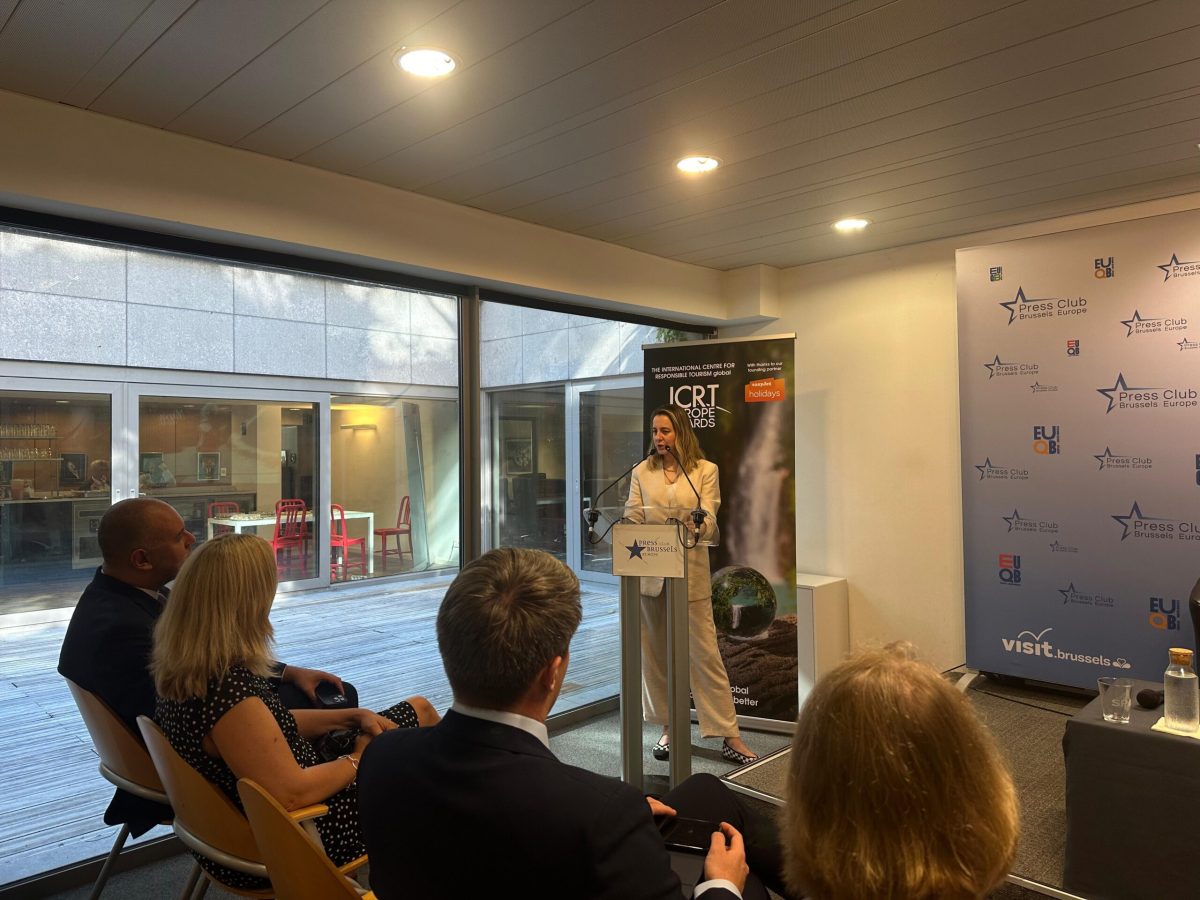
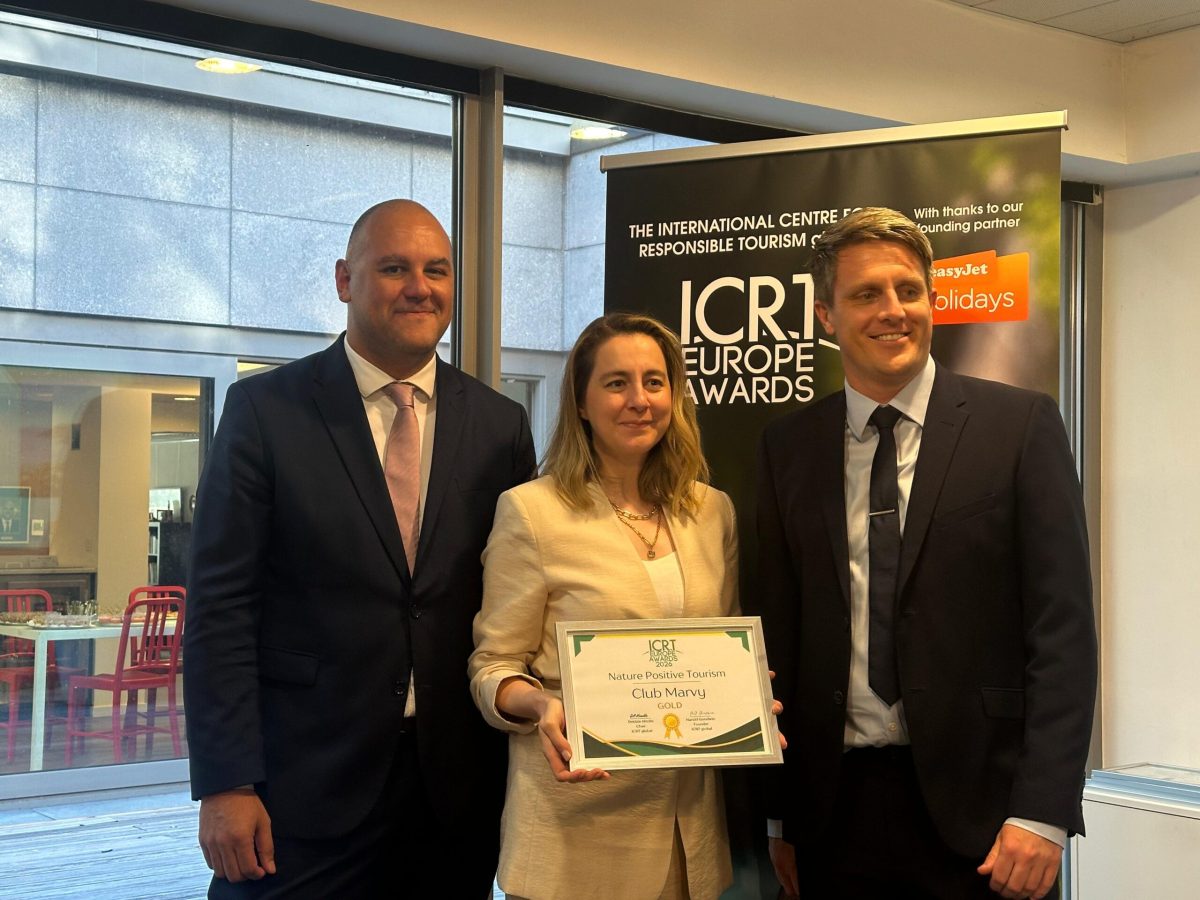
The property, which earned the Gold Award for Nature Positive hospitality at the 2026 ICRT Europe Responsible Tourism Awards, proves it's possible. But it starts with a premise that sounds obvious once you hear it: respect the place first, improve it second.
Building by listening, not rebuilding
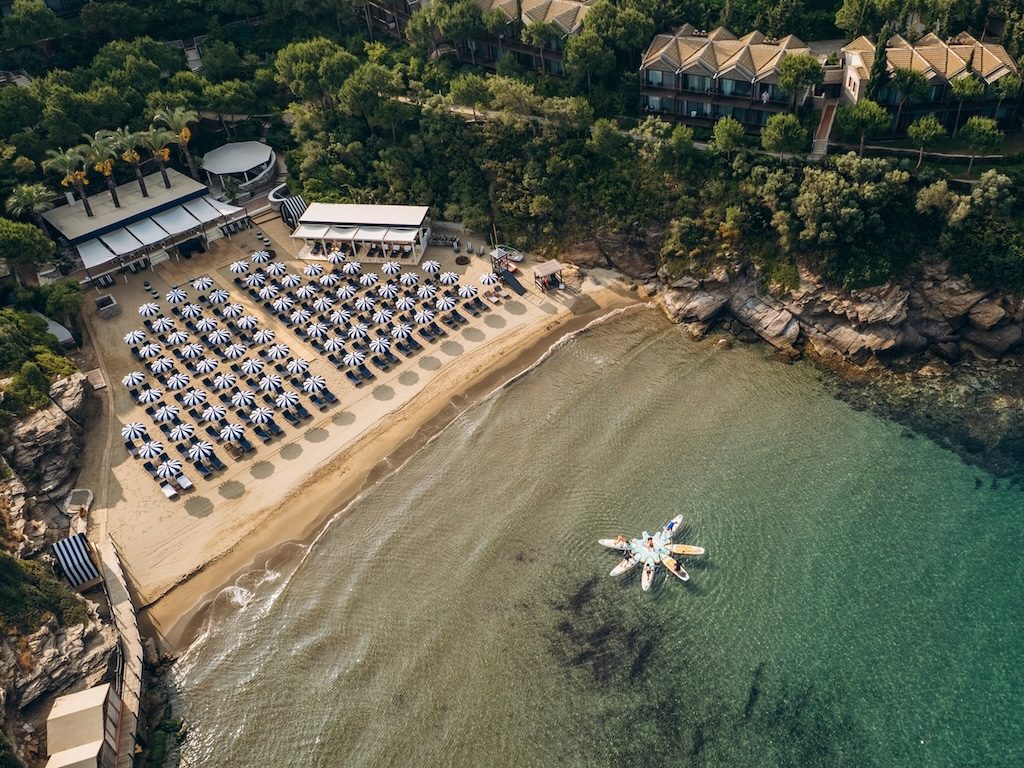
When Club Marvy was conceived in 2017, the team had an unusual constraint. Rather than demolish the existing property and start fresh with blank concrete, they chose to work within Kesre Bay's existing landscape. The site sits within a 160,000-square-meter stretch of protected pine and palm forest overlooking the water. Developers integrated buildings into the natural topography instead of flattening it.
This approach, guided by two simple principles, "A transformation, not a construction" and "Respect before sustainability," changed everything about how the resort operates. Forests and coastlines aren't afterthoughts or scenic backdrops. They're working infrastructure that determines whether the destination survives the next decade.
As climate change, water scarcity, and tourism overload reshape Mediterranean destinations, hotels are finally realizing what should have been obvious all along: healthy ecosystems aren't luxuries. They're the foundation of profitable business.

Nature gets a job description
What separates Club Marvy from typical "sustainable" hotels is how it treats biodiversity. Most resorts call conservation a nice initiative, then move on. Here, habitat restoration, marine conservation, species monitoring, and biodiversity protection are embedded into daily operations.
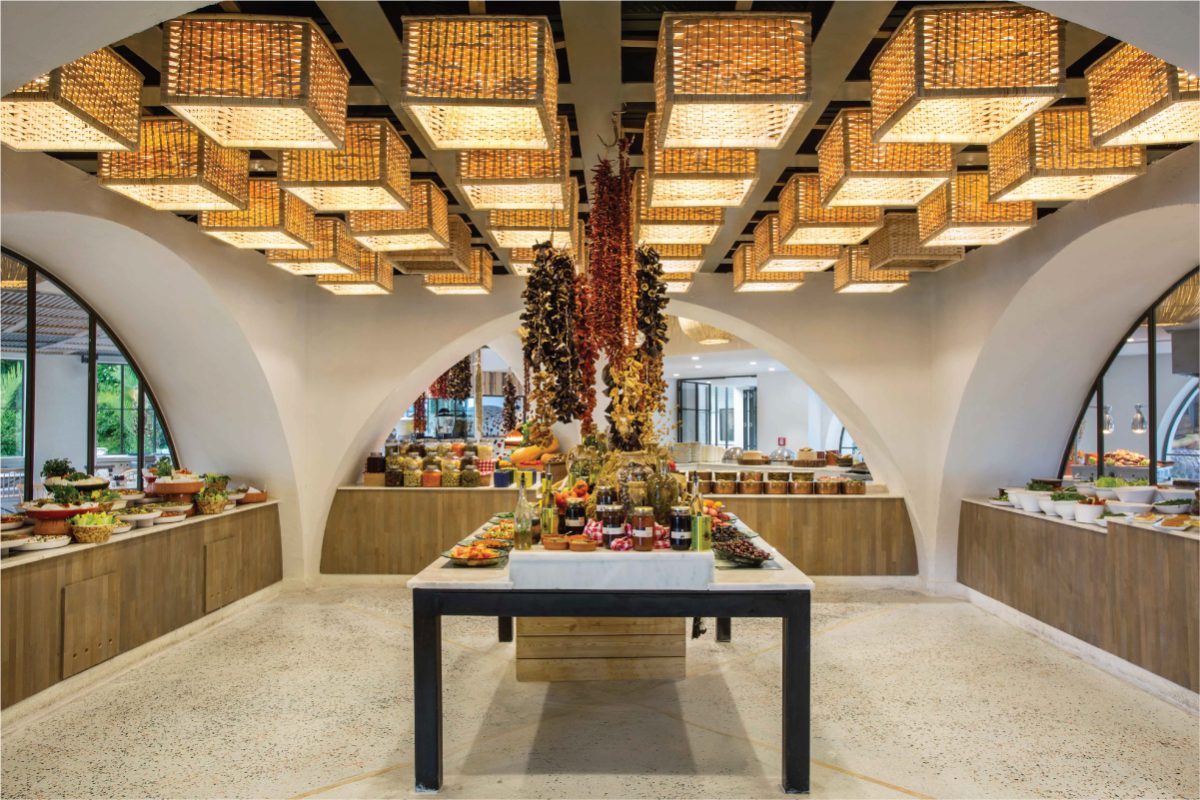
The resort runs olive harvests and pomegranate festivals that connect guests to regional farming rhythms. These aren't Instagram moments for tourists. They're genuine economic lifelines for local agricultural families. Seasonal menus highlight regional recipes sourced from nearby producers. The result: money stays in the community, and traditional farming survives because there's actual demand for it.
Local craftsmanship, regional architecture, music, and culinary traditions are woven throughout guest experiences. But Meltem Acar, Vice President of Brand and Strategic Marketing at Paloma Group (the family-owned hospitality group behind the resort), emphasizes a crucial distinction. The goal isn't to turn culture into performance art. It's to ensure tourism strengthens local traditions rather than hollowing them out for profit.
Measuring what actually matters
For decades, luxury hotels competed on thread count and exclusivity. Today's travelers expect something else entirely: transparency about environmental impact, meaningful engagement with local communities, and proof that your presence improves things.
Club Marvy publishes regular sustainability reports. It monitors resource consumption across energy, water, and waste. It works with employees, suppliers, and guests to continuously improve performance. The Gold Award didn't appear out of nowhere. It came from documenting what the resort actually does, then doing it better next year.
This shift reflects a broader reckoning across Mediterranean tourism. As Europe's tourism boom strains regional resources, smart operators understand that their economic survival depends on keeping destinations livable. A resort that ruins the water supply or displaces farming communities isn't sustainable. It's just extractive on a slower timeline.
What regenerative actually looks like
Club Marvy's approach moves past the tired sustainability playbook. It's asking whether tourism can leave a place genuinely better. Whether it can strengthen rather than dilute local identity. Whether money can flow to communities instead of only to corporate shareholders.
The answers, it turns out, are yes. But they require honesty about what the place actually needs, respect for people who live there, and willingness to measure success differently. Not fewer carbon emissions versus a baseline. But more jobs, stronger traditions, healthier ecosystems, and clearer water than before guests arrived.