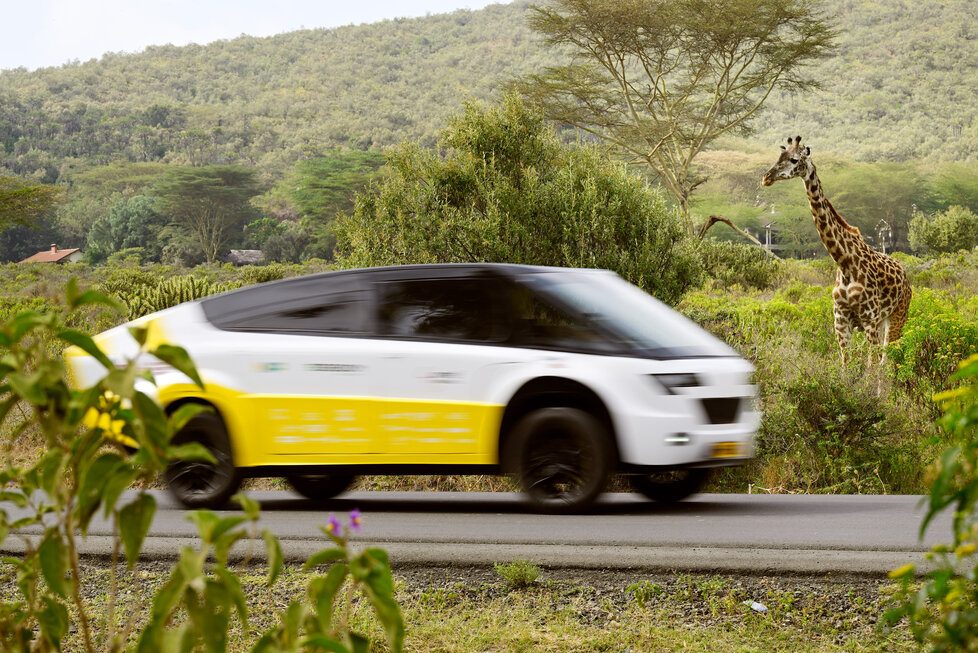
Imagine a medical emergency in a place where the nearest hospital is a six-hour drive away on unpaved roads. For millions of people across rural Africa, this isn't hypothetical. It's daily reality. Now, engineers at Eindhoven University of Technology have built something that could fundamentally change those odds: Stella Juva, a solar-powered ambulance that generates its own energy and operates completely off-grid.
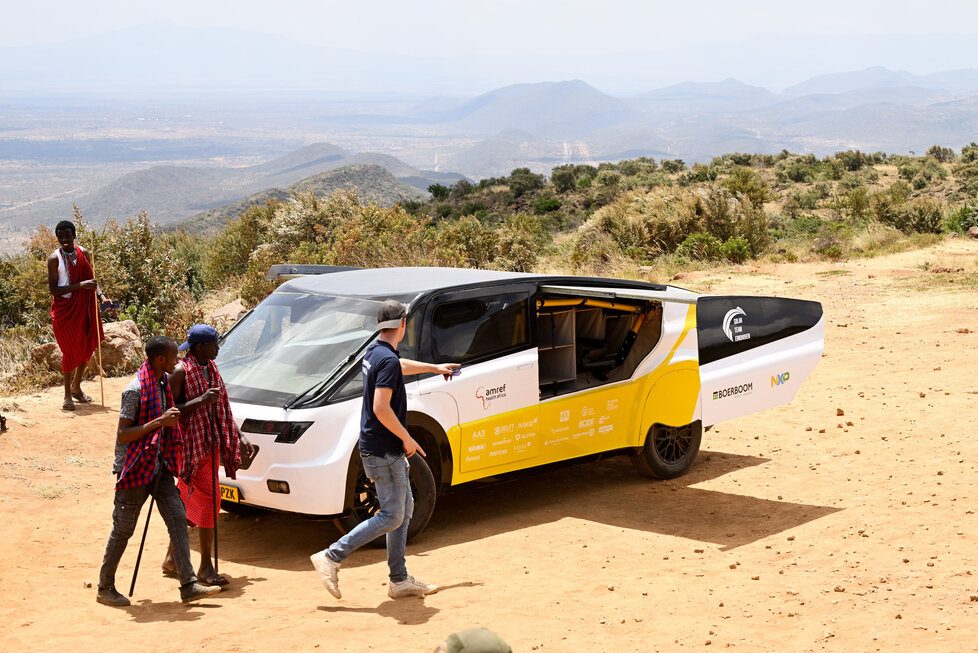
Working alongside international health organization Amref Health Africa, the Dutch team recently pushed Stella Juva to its limits across Kenya's Narok region. Over more than 800 kilometers of challenging terrain, including a punishing six-hour stretch to reach the remote village of Mosiro, the ambulance proved it could handle what real-world deployment demands. The vehicle only needed one repair (a steering rod) during the entire expedition, which the team fixed in thirty minutes.
How It Actually Works
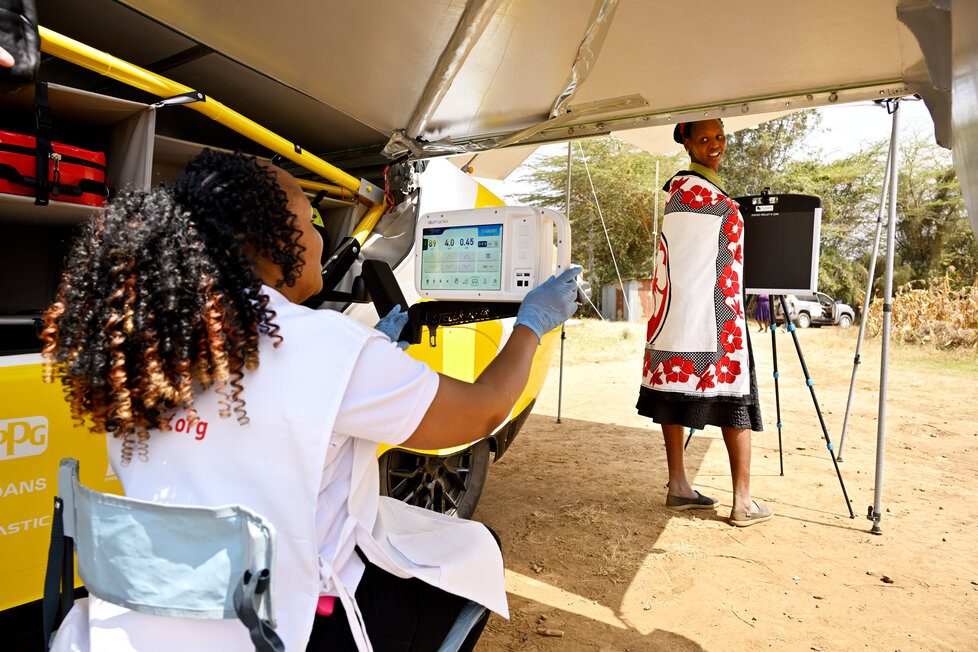
The magic sits on the roof and sides. Fixed solar panels cover the top, while extendable panels deploy from the vehicle's edges when stationary to maximize energy collection. But here's what makes this genuinely impressive: the ambulance generates more electricity than it consumes, even when running ultrasound machines, X-ray equipment, automated defibrillators, and vaccine coolers simultaneously. That surplus energy means it can keep working through cloudy stretches and store power for nighttime emergencies.
For remote clinics where electricity is either nonexistent or wildly unreliable, this changes everything. Health workers from Amref facilities who tested the medical equipment onboard immediately grasped the potential. "Now that we have seen what Stella Juva can do in practice, we see enormous potential for remote communities," said Geoffrey Sadera, project lead for maternal and child health at Amref. "This could truly be a gamechanger."
Why This Matters for Travelers and Locals Alike
One-third of Kenya's counties face conditions similar to Narok. Populations there live at least two hours from any medical facility, and the consequences are brutal: preventable maternal deaths, undiagnosed children's illnesses, and limited access to emergency care. During a single mobile clinic visit, Stella Juva could deliver ultrasounds to 30 to 40 pregnant women directly in their communities, enabling early risk identification and faster intervention.
For volunteers, healthcare workers, and even tourists traveling to remote regions in East Africa and beyond, the presence of such equipped mobile clinics could expand access to basic diagnostics in a way that seemed impossible just years ago. If you're working with or visiting vulnerable communities, having certified medical equipment available locally makes a tangible difference.
Mathijs van Gerven, the Solar Team's manager, summed up why this prototype matters: "Not only to drive sustainably, but also to be able to provide fully independent care. Especially in remote areas where energy is often scarce, this can make all the difference."
The Netherlands continues to produce innovative solutions that ripple far beyond its borders, and Stella Juva is proof that engineering excellence and humanitarian impact can travel the same road. Field trials in Kenya represent just the beginning. With approval to operate on both paved and unpaved roads, scaled deployment across Africa's most underserved regions is no longer science fiction but an emerging reality. The ambulance that runs on sunlight and returns more energy than it takes might be the innovation that finally closes the gap between remote communities and lifesaving care.