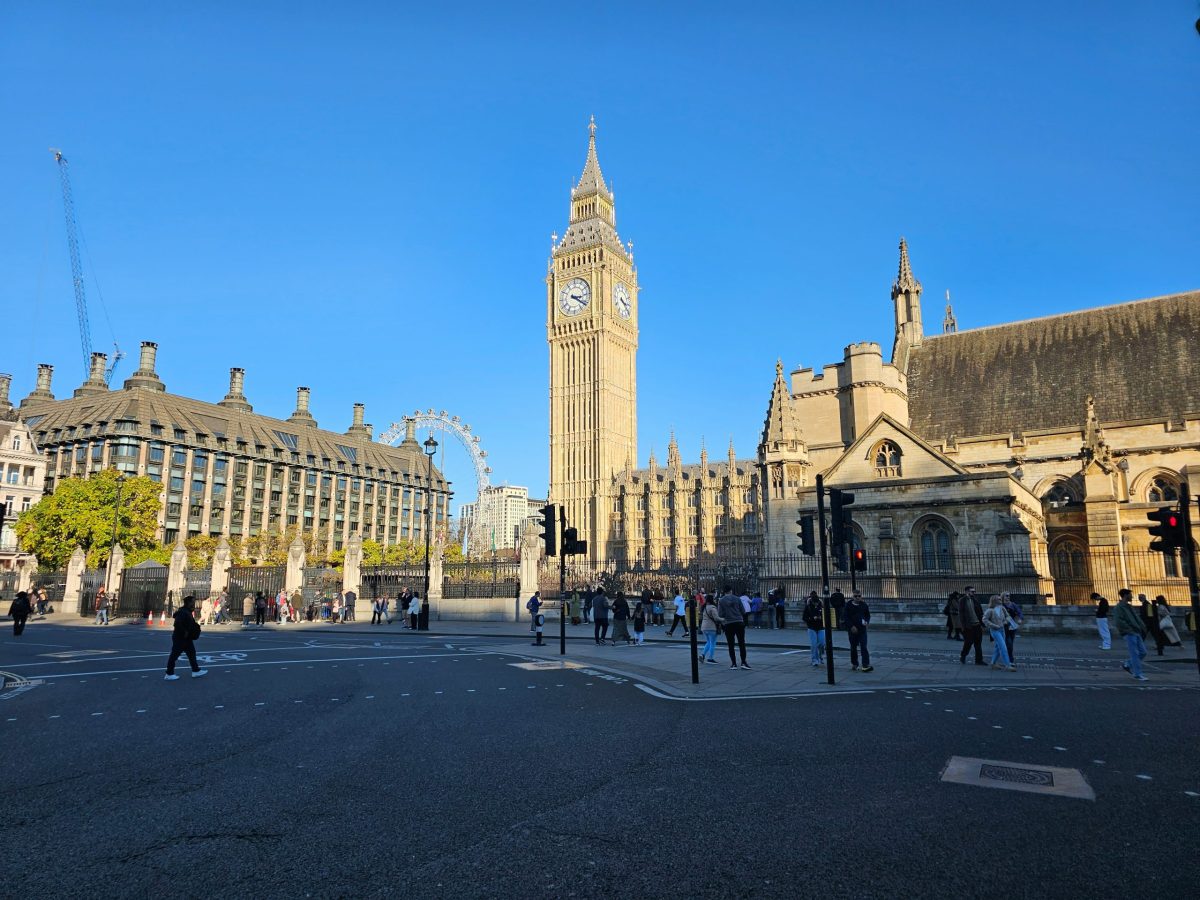
For a hundred years, traffic has roared around Parliament Square, a stone's throw from some of the most recognisable buildings on the planet. The square became the UK's first one-way roundabout in the 1920s, and it has felt like it ever since. But now, a fresh proposal could finally give the space back to people, not cars.
The Parliament Square Streetscape Project wants to improve the "safety, security and quality of the public realm" around the Houses of Parliament, Big Ben, Westminster Abbey, and the Supreme Court. It's an ambitious idea, and one that has been tried before. Previous attempts have stumbled over the area's tangled land ownership, but this time, the project has the backing of Parliament, Transport for London, and Westminster City Council.
The push for change gained momentum after the 2017 terror attack on Westminster Bridge, where a vehicle ploughed into pedestrians, killing four and injuring over 50. The attacker then crashed into the perimeter fence of the Palace of Westminster, where he fatally stabbed a police officer. The incident highlighted the vulnerability of the area's crowded pavements and the need for better security measures.
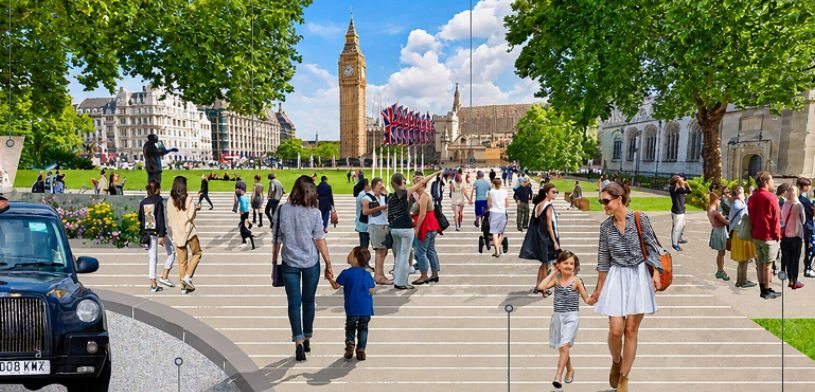
At this stage, the project is still a concept. Any changes would need a public consultation, but a spokesperson for the Mayor of London has called it a "shared ambition" to make the location "safer, more secure and more welcoming." The vision, as illustrated by the design firm BDP, shows a wide, open square with plenty of room for pedestrians, with traffic either removed or heavily restricted.
London already has plenty of examples of what happens when you take cars out of the equation. Around 50% of Oxford Street is now pedestrianised, and the north side of Trafalgar Square, Carnaby Street, Covent Garden, the South Bank, and Borough Market have all gone car-free or given pedestrians priority. Camden High Street is set to follow permanently after a trial that began in 2025. The success of these projects has been remarkable. Times Square in New York saw a 71% boost in retail sales after going car-free in 2010, and initial figures from Oxford Street show shopping transactions up 19%. Brussels' Rue Neuve saw a 25% increase in foot traffic within the first year of pedestrianisation, with cafes and restaurants enjoying even bigger growth.
Critics often worry that removing traffic will hurt businesses or make life harder for people with disabilities. But the evidence points the other way. Studies from Germany, the UK, the US, and Spain consistently show that pedestrians spend more than drivers, and that footfall and business turnover rise after pedestrianisation. A more welcoming Parliament Square could also be a boon for the city's nightlife, which has been getting a boost from initiatives like a new map aiming to make London's nightlife safer and more fun.
If the project goes ahead, it would transform one of the most visited spots in the capital. Imagine strolling from Westminster Abbey to Big Ben without dodging buses, or taking a quiet moment by the statue of Nelson Mandela without the constant hum of engines. It would be a fitting upgrade for a space that has long been a traffic island rather than a grand civic square.
The proposal is still in its early days, but the momentum is real. With the support of key authorities and a growing body of evidence that car-free spaces are better for everyone, the chances of seeing Parliament Square without traffic are looking better than ever. For travelers planning a trip to London, this could mean a very different experience at the heart of the city, one that finally matches the grandeur of its surroundings.