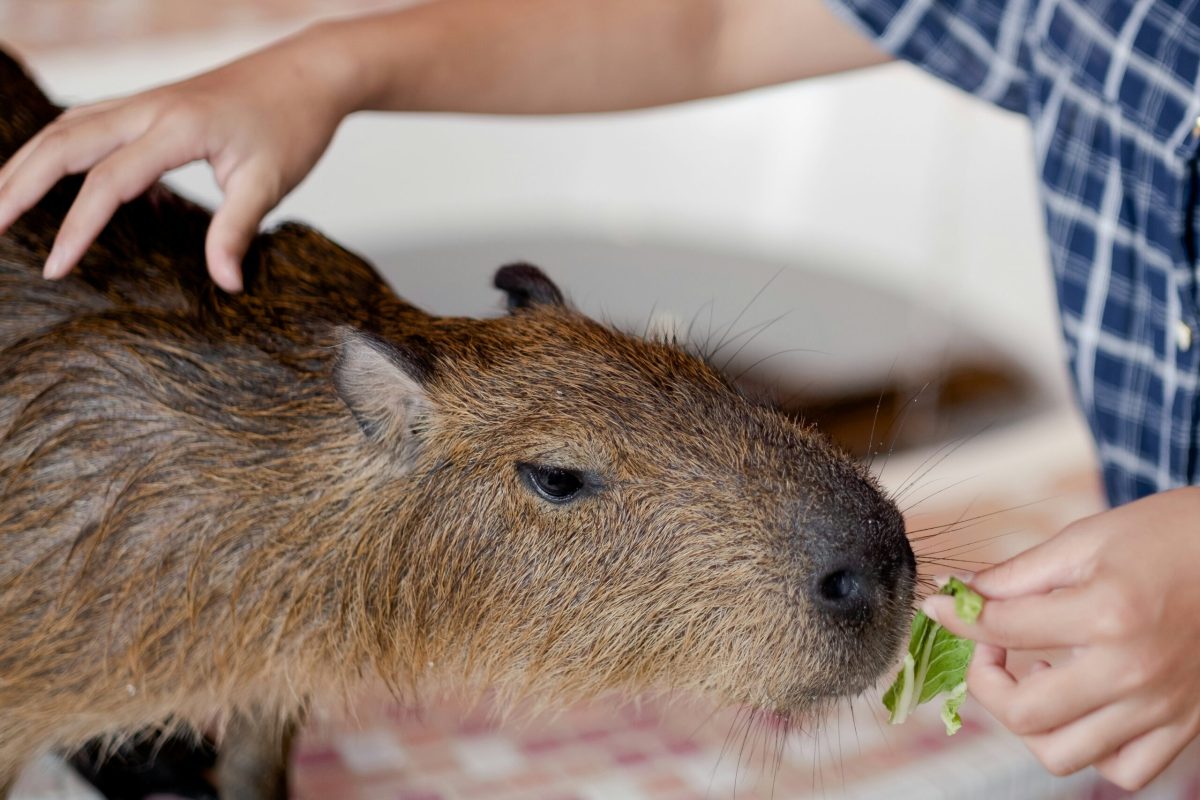
Japan's animal cafés have become a beloved stop for travelers chasing a dose of cuteness. Where else can you sip a latte while an owl perches nearby or an otter paddles in a tank? But behind the Instagram moments, a quiet reckoning is underway. In September 2026, the government launched its first nationwide survey of these businesses, and the questions it asks go far beyond how many cats live on the premises.
The Environment Ministry wants a clear picture of the sector. How many cafés operate? Which species do they keep? How are those animals housed, handled and cared for? The survey covers everything from ordinary domestic pets to exotic wildlife, and it will inform future policy rather than trigger immediate closures. You can read the original announcement here.
From Cats to Otters, a Sector Without a Rulebook
Animal cafés in Japan span a wild spectrum. Some are essentially cat lounges, calm rooms where resident felines nap on shelves and occasionally deign to be stroked. Others display marmots, owls, otters and reptiles. The needs of a domestic cat and a rescued otter have almost nothing in common, yet both fall under the same loose label.
That regulatory gap is exactly what worries officials. Takuya Ishikawa of the Environment Ministry told reporters that Japan lacks specific standards for these cafés and for the handling of many exotic species. Animal welfare groups have been feeding the ministry their own findings for years, and a government advisory panel has repeatedly flagged problems. The new survey is the first serious attempt to replace anecdote with hard data.
What Researchers Found When They Went Looking
A 2025 study by WWF Japan and Hokkaido University offers a preview of what the national survey might uncover. Researchers visited 25 cafés around Tokyo in June and July and counted 1,702 animals on display. Among them were 31 species classified as threatened with extinction. That finding alone raises uncomfortable questions about where these animals come from and whether their presence in a café serves conservation or simply commerce.
The same research revealed a tight link between cafés and the live animal trade. Of roughly 80 registered wildlife cafés in Tokyo and Osaka, three-quarters also held licenses to sell animals. Holding a license is not evidence of illegal activity, but it does place these venues squarely inside Japan's broader market for live creatures. A separate WWF report published in September 2026 found that Japan was the world's second largest importer of live reptiles and mammals by value in 2024. Released pets can become invasive species, spreading into local habitats and pushing out native wildlife.
Health Risks That Travelers Rarely Think About
Welfare is only half the story. More than 90 percent of the cafés visited by researchers kept animals considered at high risk of causing injury through contact. Samples from four cafés tested positive for enterohaemorrhagic E. coli, a bacterium that can cause severe bloody diarrhoea. The WWF report also highlighted zoonotic diseases, infections that jump between animals and people.
None of this means every visitor gets sick or scratched. It means the risks are real and poorly communicated. The government has acknowledged as much and plans a public awareness campaign, admitting it has not done enough to explain what interacting with exotic animals actually involves. If you are planning a trip that includes an animal café, treat it like any other wildlife encounter. Wash your hands, skip the experience if you are immunocompromised, and pay attention to how the animals behave. A stressed owl or a pacing otter is not a happy one.
Some Owners Want Stricter Rules
Not everyone in the industry is resisting scrutiny. Syaina Nozaki, manager of Owl Otter Cafe in Kamakura, near Tokyo, told reporters that Japan is clearly lagging behind on animal welfare regulation. Her café houses rescued animals, and she hopes clearer rules will separate responsible operators from those chasing profit alone. Her stance suggests the coming debate may not be a simple fight between regulators and businesses. It may be a fight within the industry itself.
For travelers, the takeaway is straightforward. Japan's animal cafés are not going away, and many are genuinely thoughtful places. But the country is now asking hard questions about the rest. If you are building an itinerary around one of these experiences, do a little homework first. Look for cafés that rescue rather than breed, that give animals room to retreat, and that can explain where their residents came from. The best ones will welcome the questions.