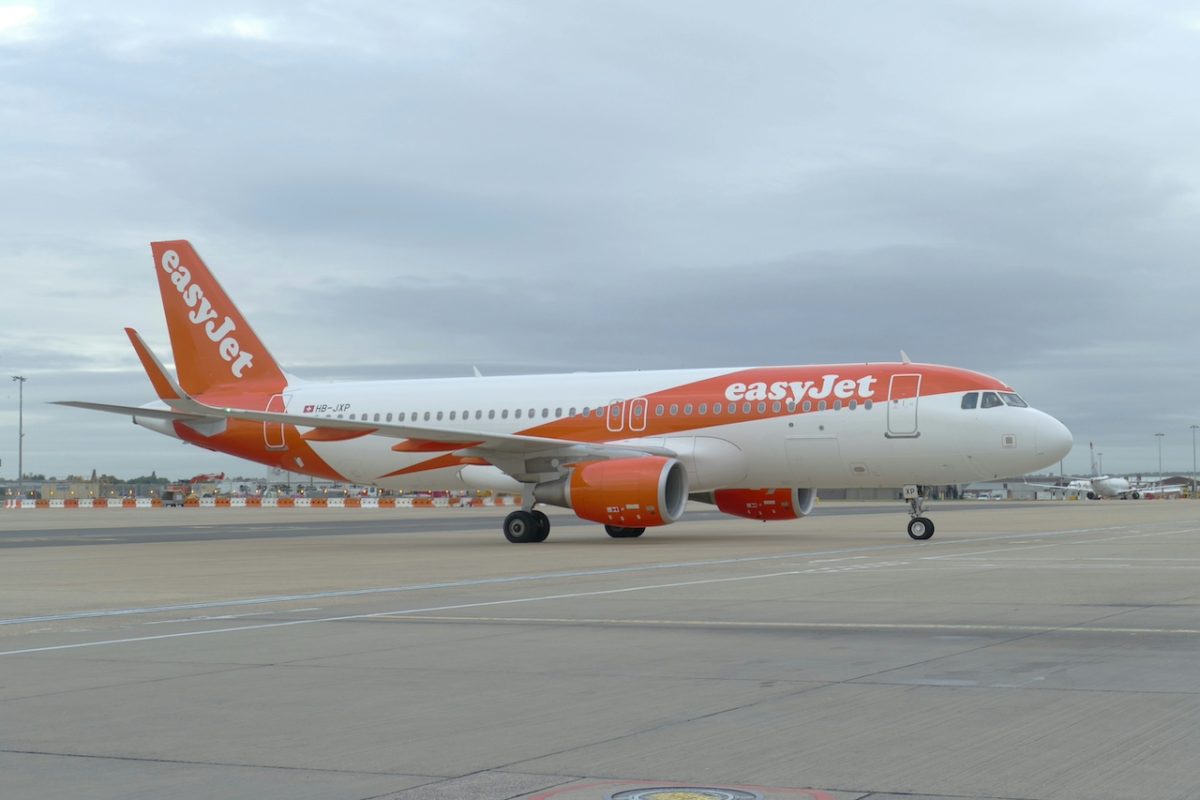
The drama is over. easyJet, one of Europe's scrappiest and most recognizable airlines, now belongs to Apollo Global Management, a US-based private equity powerhouse. The price tag: €6.6 billion (around $7.2 billion). The deal wraps up months of behind-the-scenes bidding that felt more like a chess match between heavyweight investors than an airline acquisition.
How we got here
Back in late May, another investment firm called Castlelake made the first move, launching multiple bids to acquire the airline. easyJet's board initially rejected the offer, calling it "highly opportunistic" and accusing Castlelake of trying to snag the carrier "on the cheap." The timing felt deliberate. Geopolitical tensions had temporarily softened travel demand, depressing share prices. easyJet wasn't buying the urgency.
By early July, Castlelake had sweetened its proposal enough to reach an agreement in principle. Then Apollo arrived with an even fatter offer of approximately €8.30 per share, and Castlelake bowed out rather than wage a bidding war it couldn't win. Apollo took the prize.
What actually changes
Here's the part that matters if you book easyJet flights: almost nothing dramatic in the near term. Apollo has committed to preserving easyJet's existing strategy, keeping the airline's UK and EU headquarters intact, and backing its long-term expansion plans. More importantly, the investment firm explicitly promised no job cuts during the first year post-takeover. That's roughly 19,000 employees breathing a sigh of relief.
The ownership structure was designed specifically to sidestep EU regulations that require European airlines to remain majority EU-owned. An EU Trust will hold up to 5% of shares, ensuring the carrier stays compliant. Apollo itself won't own more than 49.9%. easyJet founder Sir Stelios Haji-Ioannou, who controls around 15% of the airline, is sticking around as a major shareholder for the long haul.
Why Apollo was the right fit
Apollo's European private equity lead, Alex van Hoek, framed the acquisition as an opportunity to "accelerate easyJet's commercial and operational ambitions." Translation: the firm sees runway for growth. easyJet already operates roughly 1,200 routes across 35 European countries. For travelers, that network is what matters most, and Apollo has signaled it wants to expand it, not dismantle it.
easyJet's leadership team also seems genuinely comfortable with the new ownership. Chief Executive Kenton Jarvis welcomed Apollo's experience in aviation, suggesting the firm knows how to operate in this space without making catastrophic mistakes. Chair Stephen Hester noted that the board carefully weighed Apollo's bid against easyJet's prospects as an independent business. In the end, the value proposition won out.
The bigger picture
Founded in 1995, easyJet has transformed from a scrappy startup into a backbone of European air travel. The airline diversified well beyond cheap point-to-point flights by expanding easyJet Holidays and investing in fleet renewal and sustainability. These moves matter to travelers who want more than rock-bottom fares.
One thing worth monitoring: while Apollo has promised no immediate operational changes, the acquisition still needs shareholder approval, competition authority clearance, and aviation regulator sign-off. The deal is expected to close by the end of March 2027. Until then, easyJet operates as it always has.
For budget-conscious travelers across Europe, this deal probably means business as usual. For long-haul ambitions, baggage policy disputes, or questions about how Europe's regulatory landscape affects flights, there's less certainty. But that's the nature of private equity ownership. Sometimes it accelerates growth. Sometimes it extracts value in ways that aren't immediately visible. The next few years will tell us which version of this story easyJet becomes under Apollo's watch.