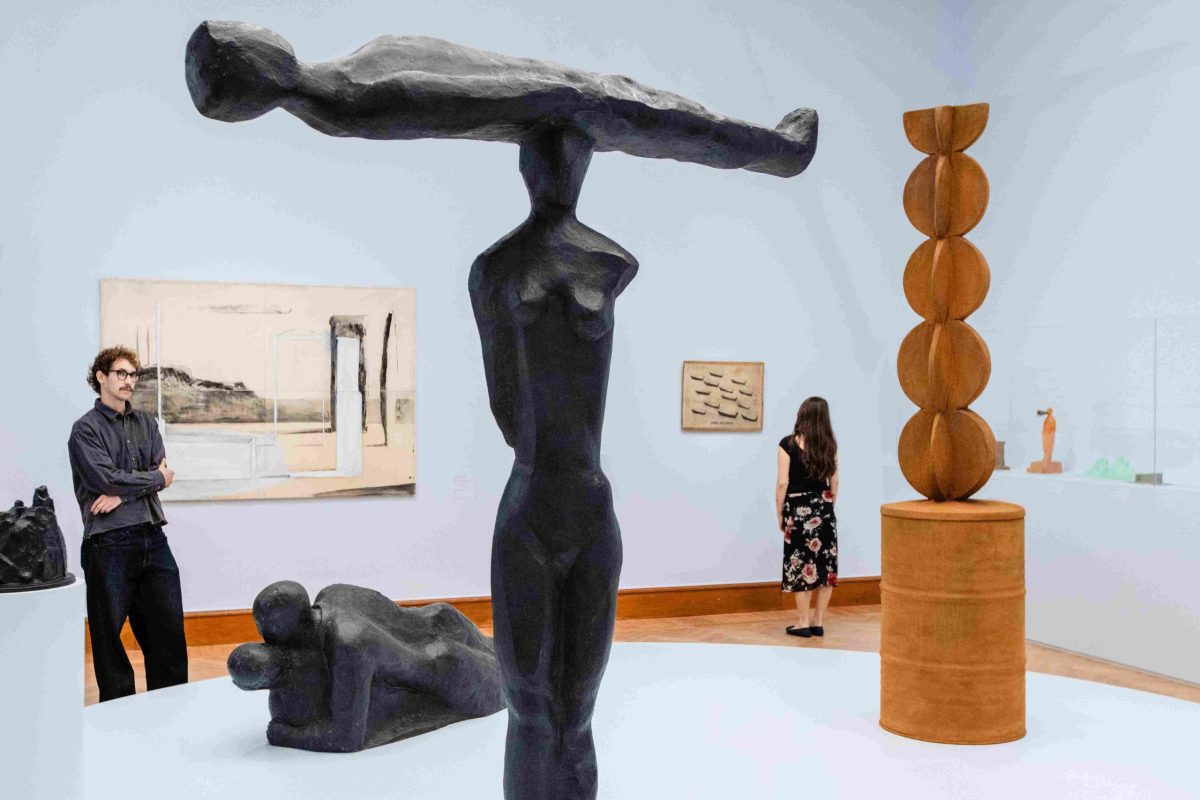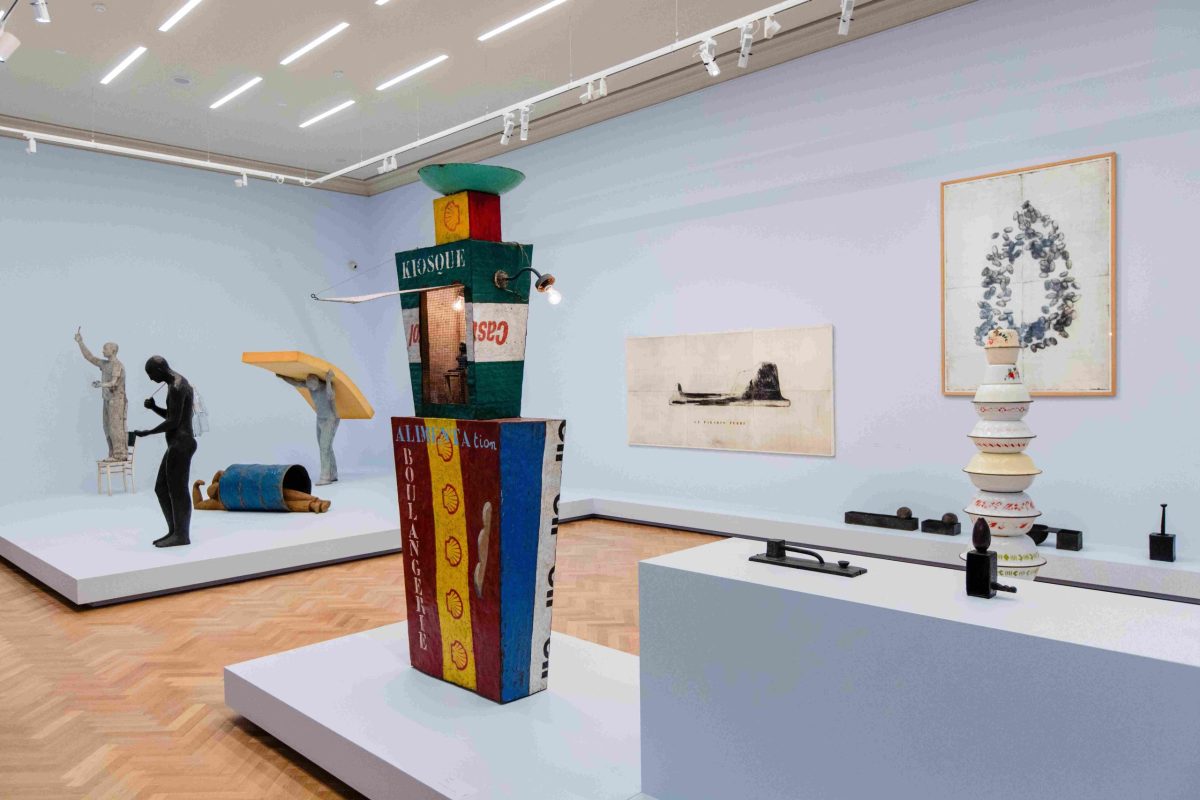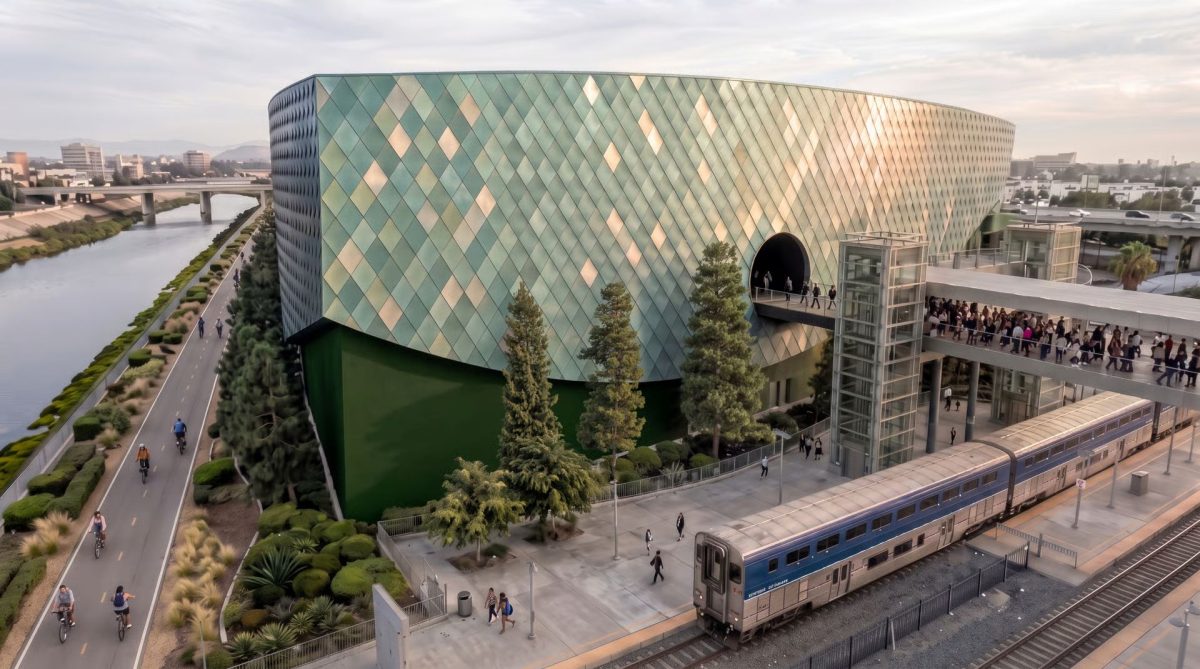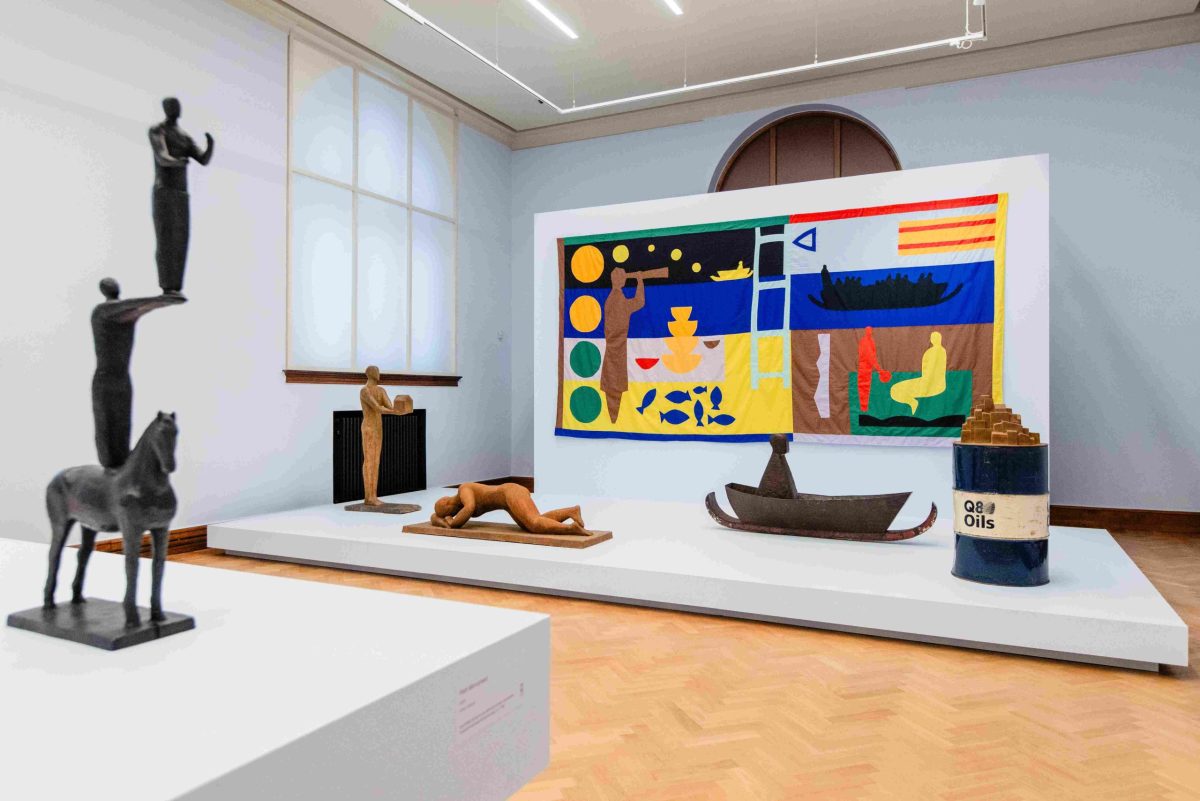
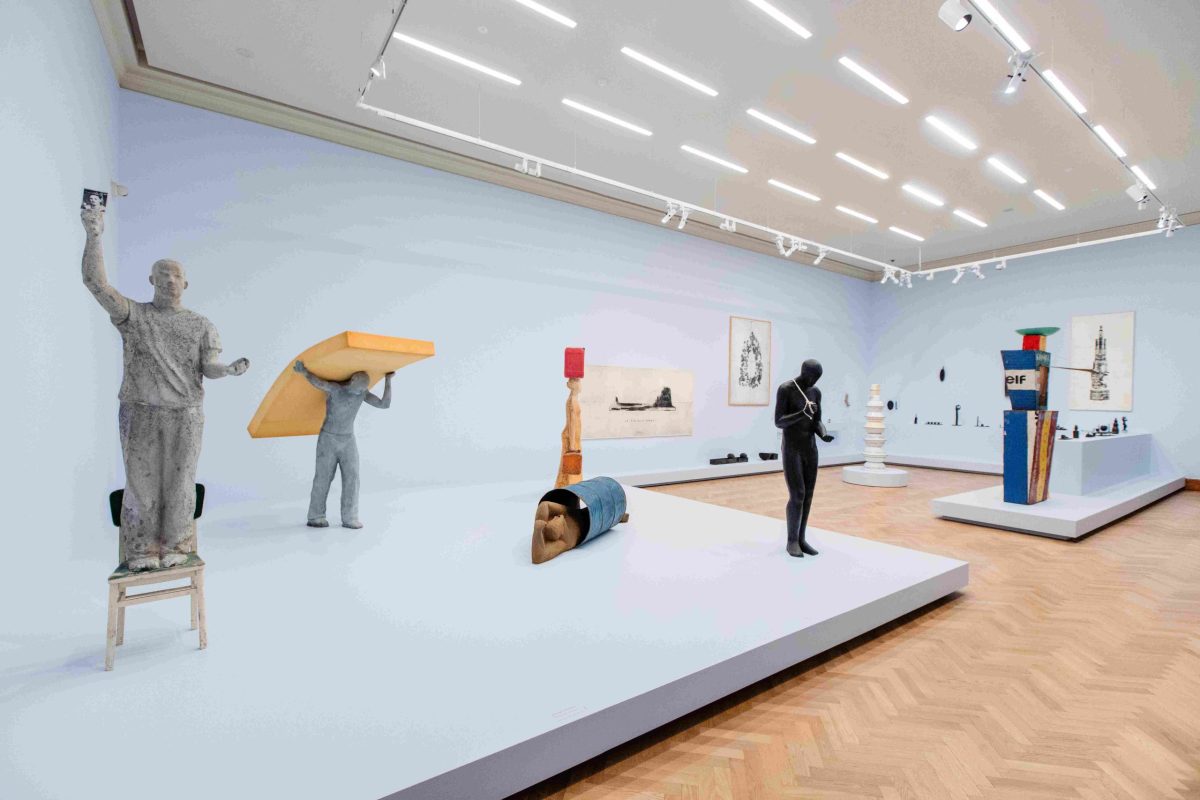
Antwerp's Royal Museum of Fine Arts, known as KMSKA, has a way of pulling you into another world. But the current retrospective of Philip Aguirre y Otegui does more than that. It sweeps you across continents, through decades, and into the lives of people you may never meet. From the moment you enter, you are surrounded by life-sized sculptures, delicate drawings, and everyday objects transformed into art. The human figure anchors everything, even when the materials and forms shift dramatically.
Aguirre's own story is a journey. His father, Juan Martín, fled the Spanish Civil War as a boy and found refuge in Belgium. That heritage, Basque and Belgian, threads through his work. His art speaks of exile, migration, and the bonds of family and community. Some people leave, others arrive, and Aguirre, a traveler himself, honors the places and people he portrays. Politics is present, but subtle. It emerges through a gesture, a pose, a situation. Visitors can choose to see the politics, the aesthetics, or the humor.
Two works capture this balance perfectly. Algeciras acoge (2007) looks like two lovers embracing, but it was inspired by a photo of a Spanish policeman comforting a migrant who had just arrived by boat. Petit Monument (2010) resembles a circus acrobatic act, yet it is a metaphor for the power and authority of equestrian monuments. An eight-meter-high version of Petit Monument will soon stand permanently in front of the KMSKA, a striking addition to the city's skyline. If you are planning a trip to Antwerp, this retrospective is reason enough to visit, and with train connections from London now 40 minutes faster, there is no excuse not to go.
Family Road Trips and the Louvre
Aguirre's first journeys were family road trips to the Basque Country. In those days, driving from Belgium to Spain was an adventure. "There were no motorways," he recalls. "The motorway only went as far as Orleans, and after that it was all national roads. It took us three days." His parents made the most of it, stopping at the Louvre, the châteaux of the Loire Valley, and Bordeaux. They were cultured but not art insiders. They simply believed that showing their children these wonders was part of a proper education. Aguirre is grateful for those early lessons. "I don't think my parents ever imagined that one of their children would become an artist," he says. "They just thought exposing us to art and culture was normal. I'm glad they did."
Football as a World Metaphor
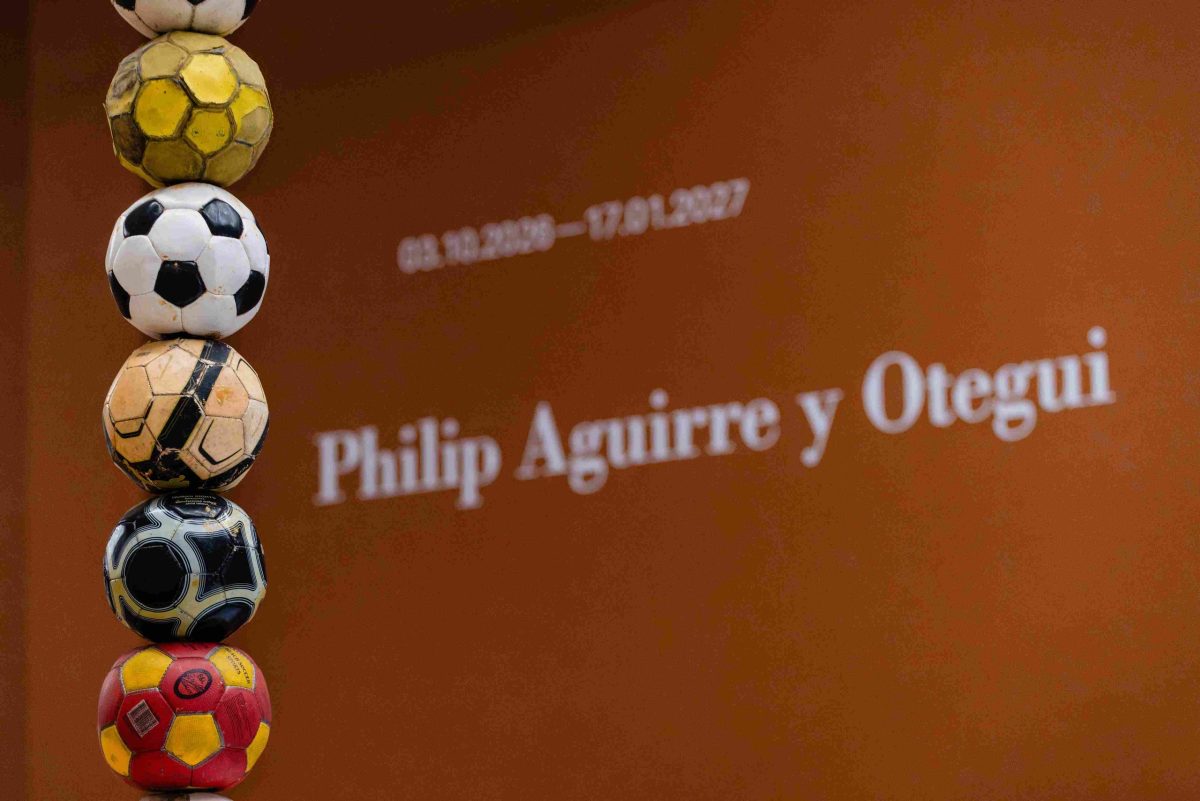
When we spoke, Aguirre had just returned from the Venice Biennale, where he is participating in the 2026 edition. He traveled with his family, following his parents' example. "I made my sons visit exhibitions for a few hours every day," he says, "and afterwards they played football in the squares of Venice." Football is a recurring motif in his work, including the "football totem" that greets visitors at the KMSKA. For Aguirre, it is more than a game. "Football is very political. Very, very political," he insists. He points to African Dream (2004), a golden footballer frozen in a bicycle kick, inspired by Pelé. "People talk about the American Dream," he explains. "But for a long time in Africa, football was the only way to leave the country or get a visa. That's why I made it gold."
Stories of Forced Journeys
Displacement, whether political or economic, runs through Aguirre's work. At the KMSKA, several life-sized sculptures hover just above eye level. A woman balances a red jerrycan on her head, holding two more. A man carries a mattress on his back. Another has empty bottles tied to his shoulders. A third lies in an old oil drum. These figures evoke hardship and uncertainty, drawing attention to people who might otherwise go unnoticed. Senegal has been a deep source of inspiration, especially its traditional fishing pirogues, which migrants also use for the dangerous crossing to the Canary Islands. In 2008, Aguirre collaborated with boatbuilders from M'Bour and curator Koyo Kouoh to create Gaalgui, a monumental upright pirogue presented at the 2009 Beaufort Triennial. It stands as a tribute to those who risk everything.
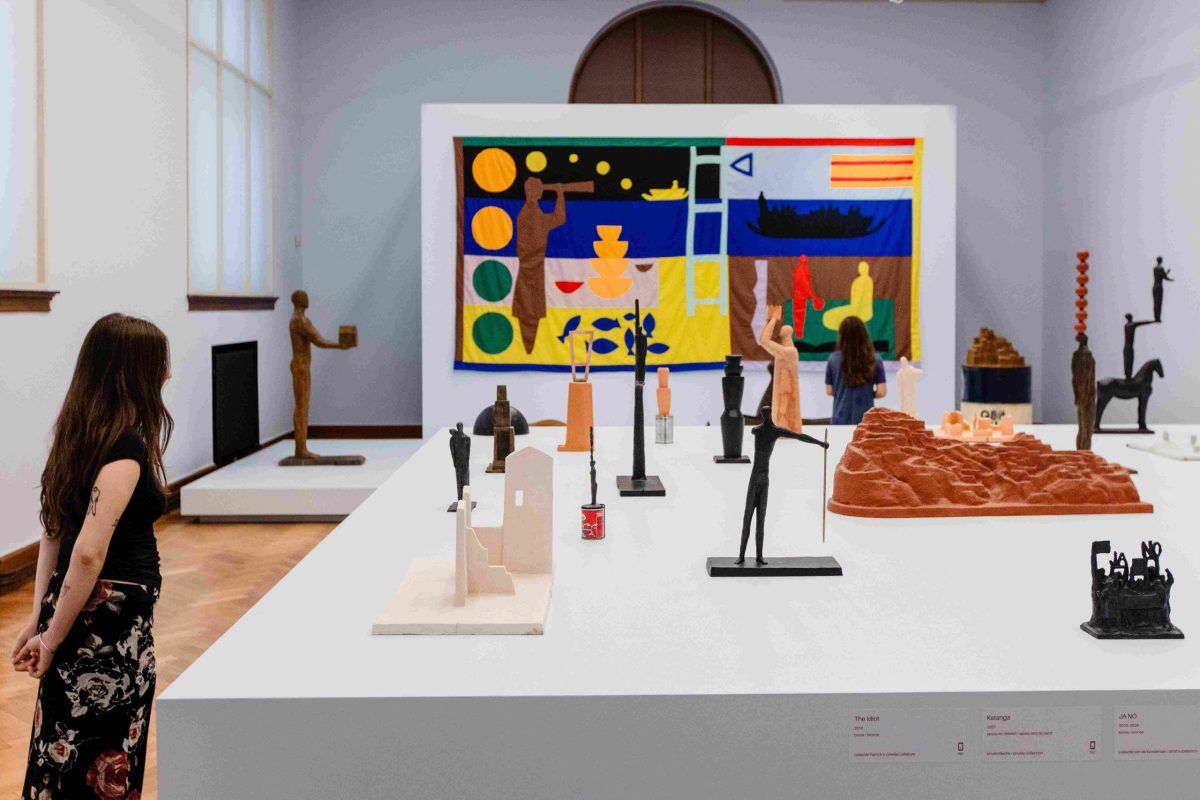
This retrospective is not just an exhibition. It is an invitation to travel through Aguirre's mind, to see the world through his eyes. The KMSKA show runs until early 2026, and it is a rare chance to experience the full arc of his career. For those who cannot make it to Antwerp, the Venice Biennale offers another glimpse of his vision. And if you are already planning a European art trip, consider pairing Antwerp with a visit to Brussels, where the Royal Palace has just reopened after four years of renovations. Aguirre's work reminds us that travel, whether voluntary or forced, shapes who we are. His sculptures carry the weight of history, but also the lightness of play. His art is a bridge between worlds, and this retrospective is a journey worth taking.