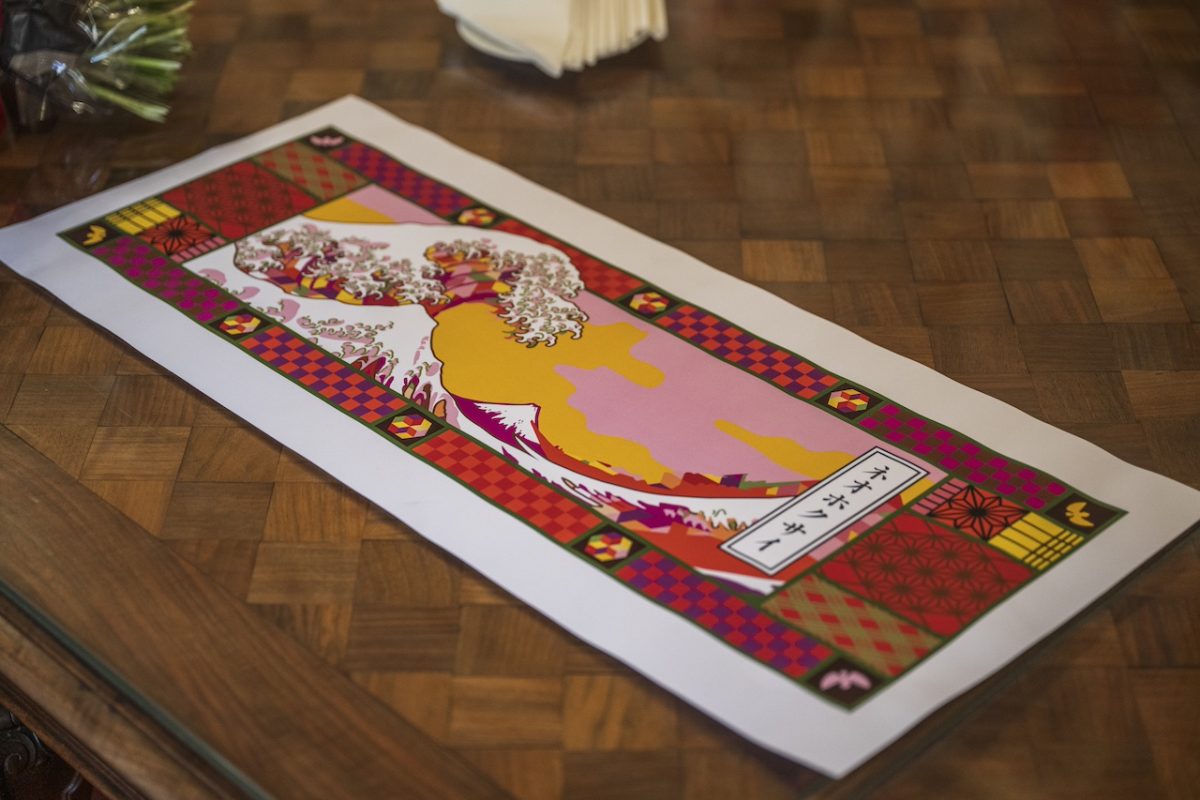
Picture this: one of Europe's most breathtaking medieval squares transforms overnight into a massive canvas of living flowers. Brussels' Grand-Place, a UNESCO World Heritage Site since 1998, becomes the temporary home to 700,000 dahlias arranged into a breathtaking reinterpretation of Hokusai's legendary Great Wave off Kanagawa. For four days in August, travelers and flower enthusiasts will witness what's become Belgium's most jaw-dropping seasonal tradition.
This year marks the 24th edition of the Flower Carpet, and organizers have made bold moves. Out goes the begonia, once the mainstay of these arrangements. Belgian begonia cultivation has declined sharply, and dahlias offer something the classics never could: an explosion of color intensity. We're talking riot of reds, golds, purples, and pinks, all packed so densely they create their own microclimate, keeping the display fresh throughout the heat of summer.
A Partnership Written in Petals
Japan proposed the design as the 2026 partner country, an honor that speaks volumes about the diplomatic friendship between Belgium and Japan. The actual reinterpretation came from Tokyo-based artist Hiro Sugiyama, who leads the creative collective Enlightenment. Sugiyama bounces between analog and digital work, and for this project, he set out to blend tradition with contemporary vision. The result: Hokusai's centuries-old masterpiece brought back to life through petals and stems.
Over 100 volunteer gardeners assemble the carpet in under six hours, inserting each flower by hand into rolls of turf. It's the kind of labor-intensive beauty that Instagram was invented for, but it's also deeply rooted in craftsmanship. The flowers are watered constantly, especially during scorching afternoons, and what looks effortless from above is actually the result of meticulous coordination and genuine love for the work.
Two Carpets, One Celebration
A major shift this year brings a second flower carpet to the Brussels Bourse, paying tribute to Belgium's brewing heritage through hop-inspired designs. This doubling of the celebration reflects a country doubling down on its cultural moments. Speaking at the preview event, Japan's Ambassador to Belgium Takeshi Osuga noted something simple but profound: "The love of flowers is a universal language. In both Japan and Belgium, flowers hold a special place in our cultural and social lives."
This isn't the first time Brussels has rolled out the botanical welcome mat for Japan. Back in 2016, the Grand-Place featured a Japanese landscape complete with koi carp and traditional motifs to celebrate 150 years of diplomatic ties. Now, at 160 years of friendship, the tribute feels even more intimate.
Seeing It for Yourself
The Grand-Place itself deserves mention. Dating to the 15th century and rebuilt after the devastating French bombardment of 1695, this square is often called one of the world's most beautiful. Its Gothic, Baroque, and neo-Gothic architecture creates the perfect stage for 1,680 square meters of horticultural art.
Access to the flower carpet is free from August 13-16, 2026. Want a birds-eye view? The Hôtel de Ville balcony offers a panoramic perspective for a small fee. Better yet, tackle the 200 steps of the City Hall Tower for a complete 360-degree experience overlooking both the carpet and the city below. Before the official launch, Mini-Europe features a miniature version of the 2026 carpet on its scale replica of the Grand-Place, giving early visitors a sneak peek at what's coming.
This is the kind of event that reminds us why Brussels remains a destination worth planning around. It's ephemeral, yes, but that's precisely what makes it special. A masterpiece that blooms brilliantly for four days and then vanishes into memory. That's the whole point.